


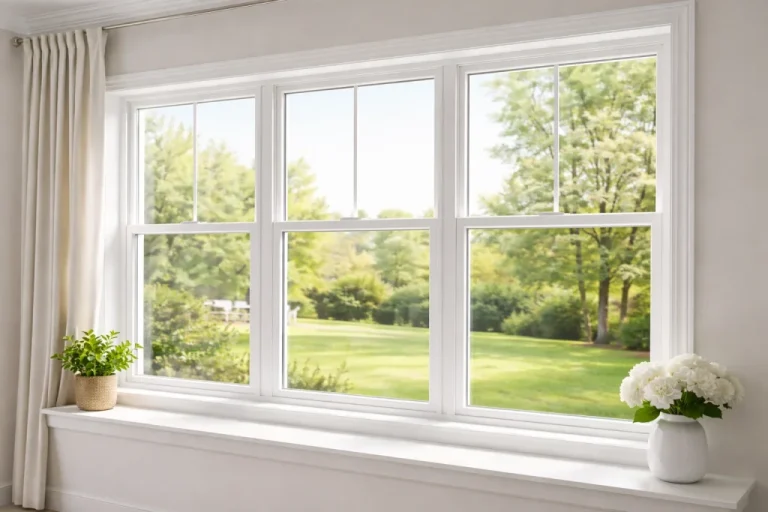
Vinyl windows are worth a closer look when your existing windows are difficult to use, need frequent attention, or no longer suit your home. The frame material is one part of the decision; glass, operating style, installation, and product support matter too. Here are ten benefits and buying considerations to explore for your Atlanta or Charlotte home.
1. Frames That Do Not Need Routine Painting
One practical benefit is simpler finish upkeep. The U.S. Department of Energy notes that vinyl frames do not require painting. Choose a factory color you want to live with, and check the manufacturer’s instructions before considering a later color change.
2. Moisture Resistance
The Department of Energy also identifies good moisture resistance as a vinyl-frame characteristic. That does not make the entire wall opening waterproof. Have the existing sill and surrounding materials inspected, especially if you see staining or peeling finishes near the old window.
3. Energy-Efficient Glass Options
Vinyl windows can be paired with insulating glass and low-emissivity coatings. Compare the whole window, not just the frame material or number of panes. Ask which glass package fits each room’s exposure and whether a different option would make sense on a sunny side of the house.
4. Performance You Can Compare
Use product ratings to narrow the choices. The NFRC Certified Products Directory lets you compare rated products, including U-factor and solar heat gain coefficient. Request the ratings for the exact model and glass package in your quote rather than relying on a general brochure.
5. A Choice of Operating Styles
You can explore vinyl products in different operating styles rather than automatically repeating your current layout. Think about reach, furniture placement, and how you want a room to ventilate. Try opening and closing a display window, including its locks, before deciding.
6. Cleaning Features to Look For
Some products offer convenience features that can make routine cleaning easier. Davis’s Restorations window range is one place to explore available options. Ask for a demonstration on the specific model; a feature shown on one window may not apply to another style.
7. Design Choices Beyond the Frame Material
Compare frame colors, grid patterns, hardware, and the amount of visible glass. Bring photographs of adjacent windows so a replacement complements the rest of the elevation. Look at samples in daylight as well as under showroom lighting.
8. A Chance to Improve Everyday Use
A replacement project lets you address what bothers you about the current windows. Make a room-by-room list: a sash that sticks, a hard-to-reach lock, or a screen that is inconvenient to remove. Use that list to test proposed products instead of comparing appearance alone.
9. A Clearer Basis for Comparing Quotes
Vinyl belongs on your shortlist alongside other materials. Ask each supplier to specify the model, glass package, installation method, trim work, disposal, and warranty terms. Matching those details makes it easier to understand what each quote includes and where the differences come from.
10. A Coordinated Plan for Your Home
Replacing windows is an opportunity to plan the house as a whole, even if the work happens in stages. Decide which openings need attention first, which finishes should match, and which rooms have different priorities. A written plan helps keep later phases consistent.
When Should You Consider Another Material?
Bring any requirements for a particular appearance, unusually large opening, or matching an existing window to the consultation. Compare actual product samples and specifications before settling on vinyl. Our wood vs. vinyl window guide offers another starting point for that conversation.
Find the Right Replacement Windows with Davis
Davis Window and Door helps homeowners in Atlanta and Charlotte explore replacement windows. Tell us what is working, what is frustrating, and what you want to change. Request a consultation to compare options for your home.