


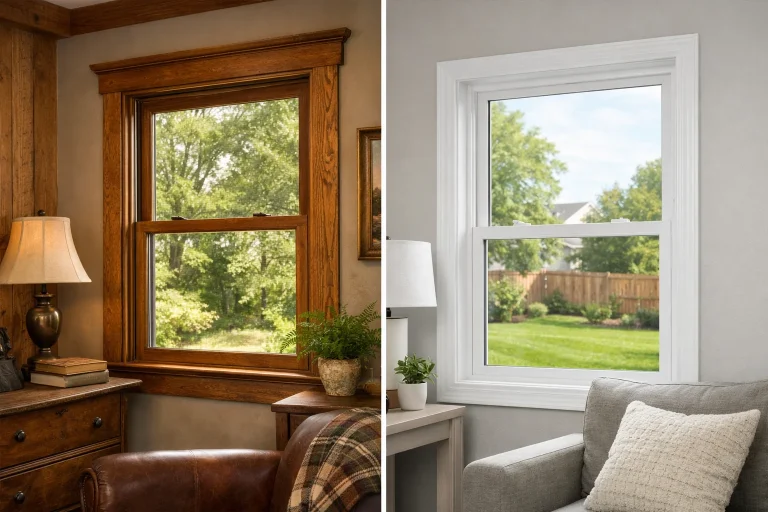
If you’re comparing wood vs. vinyl windows for window replacement options, here’s what you need to know: vinyl wins on affordability and low maintenance, while clad windows — wood-fiberglass and wood-aluminum clad — win on beauty, warmth, and zero exterior maintenance. The best of both worlds isn’t a compromise; it’s exactly what collections like Marvin Elevate and Marvin Ultimate are built to deliver
For many homeowners, wood-clad windows offer a compelling middle ground. That being said, the right choice depends on your budget, your home’s architecture and historic preservation requirements, and how much upkeep you’re willing to take on.
Quick Verdict: Wood vs. Vinyl Windows at a Glance
For most budget-conscious homeowners, vinyl replacement windows deliver excellent value with minimal hassle. But if you want the warmth of real wood on the inside with zero exterior maintenance, aluminum-clad or fiberglass-clad windows are the answer. Collections like Marvin Elevate (wood-fiberglass) and Marvin Ultimate (wood-aluminum clad) give you authentic wood interiors with a durable clad exterior engineered to last — no painting, no sealing, no upkeep.
Cost is the number one driver for most buyers — but it shouldn’t be the only factor when comparing wood and vinyl windows. For homeowners who want wood’s warmth without the maintenance commitment, clad windows sit in a category of their own. Beyond the cost of window replacement, consider how long you plan to stay in the home, your local climate, and whether your neighborhood or HOA has material restrictions.
Davis Window and Door’s certified installers back our products with a labor warranty, so whichever direction you go, you’re covered for the installation. That peace of mind matters just as much as the material you choose, and it’s something worth asking about before you commit to any replacement project.
| Category | Vinyl Windows | Wood Windows |
| Cost (installed) | $500–$1,000 per window | $800–$2,000+ per window |
| Maintenance | Very low | Moderate to high |
| Lifespan | 20–40 years | 30–50+ years |
| Energy Efficiency | Good (multi-chamber frames) | Good (with proper sealing) |
| Aesthetics | Clean, functional | Rich, natural, premium |
| Resale Value | Solid | Higher in premium markets |
| Best For | Budget, rentals, new builds | Historic, luxury, custom homes |
Cost of Wood Windows vs. Vinyl
- Vinyl replacement windows typically run between $500 and $1,000 installed per window, depending on size, style, and your region.
- Wood replacement windows generally start at around $800 per window and can exceed $2,000 installed — sometimes significantly more for custom sizes or specialty species.
- For a step above vinyl without the full cost of wood, explore the Marvin Essential line.
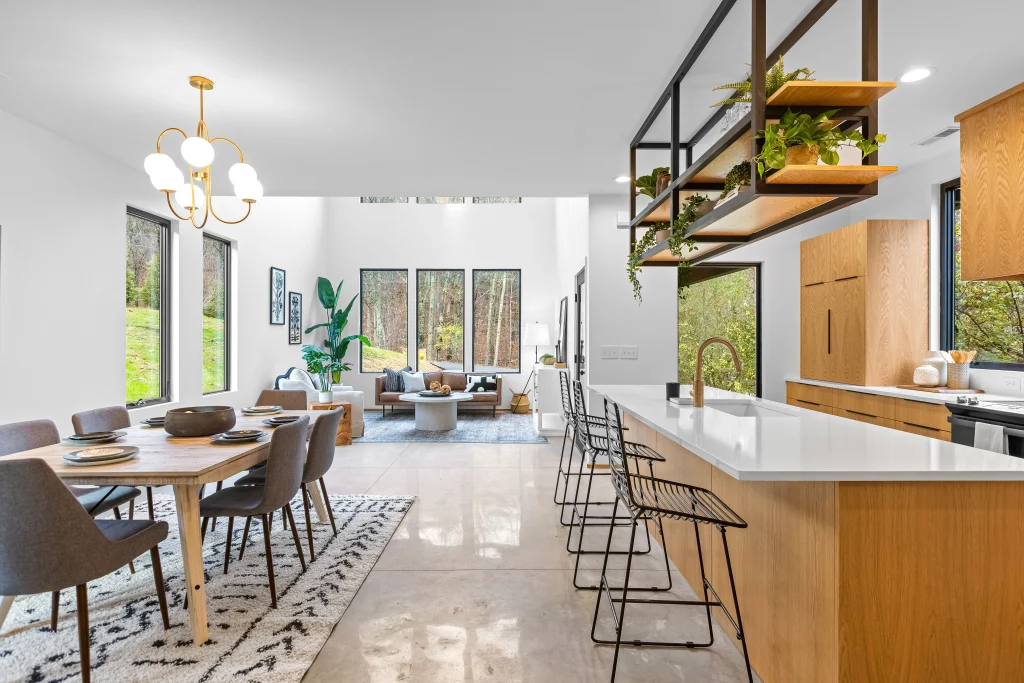
Why the gap in cost? It comes down to three factors:
- Material sourcing: Wood requires milling, drying, and treating before it ever becomes a window frame.
- Manufacturing complexity: The production process involves multiple stages, from precision cutting to assembly, requiring skilled labor and specialized equipment.
- Finishing labor: Wood often needs site finishing or factory-applied paint and stain to achieve a durable, weather-resistant surface.
Vinyl, by contrast, is extruded in consistent profiles and arrives ready to install.
Window replacement cost also varies by region, contractor, and project scope. Beyond the upfront investment, factor in long-term costs: Wood windows typically need repainting or resealing every 3–5 years, which adds up over time. Vinyl is virtually maintenance-free after installation.
Davis Window and Door offers a wide range of window and door solutions to fit any budget, whether you’re drawn to vinyl’s affordability or wood’s long-term value.
Maintenance, Durability, and Lifespan of Wood vs. Vinyl Windows
Wood window maintenance is real — it’s not a dealbreaker, but it does require commitment. Homeowners with wood windows should plan for annual inspections, touch-up caulking, and repainting or restaining every 3–5 years. If moisture gets into untreated wood, rot can develop. The upside? Wood is repairable. A damaged section of a wood frame can often be treated and refinished rather than replaced entirely, which considerably extends its useful life.
The lifespan of vinyl windows typically ranges from 20 to 40 years, with minimal upkeep required. However, vinyl has its own vulnerabilities; it typically cannot be repainted if the color fades or chips, and in climates with prolonged extreme heat, vinyl can warp or discolor. High-quality multi-chamber vinyl frames perform better in temperature extremes.
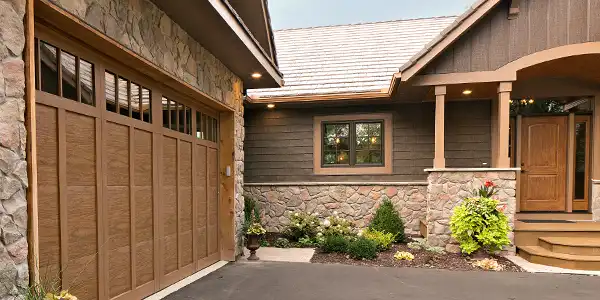
Climate is a genuine factor in choosing between wood and vinyl. Harsh winters, intense summer heat, and wide seasonal swings all stress window materials over time. The right material choice, combined with proper installation, makes a measurable difference in long-term performance. Having a certified installer handle the work matters here, as improper installation accelerates wear on both wood and vinyl frames, regardless of material quality.
Which Window Material Performs Best in Your Climate?
Climate should influence your material choice as much as budget does.
- In cold climates, wood handles freeze-thaw cycles well but demands consistent sealing to keep moisture out. Vinyl contracts and expands with temperature swings — quality multi-chamber frames manage this better than budget options.
- In hot, humid regions, vinyl can warp or discolor under prolonged exposure to the sun. Wood, properly finished, holds up better.
- In humid or coastal climates, wood requires the most vigilance — moisture is its primary enemy. Vinyl or clad-wood is often the smarter call.
In mixed climates, clad-wood offers the most consistent year-round performance.
Wood vs. Vinyl Windows for Aesthetics, Resale Value, and Historic Homes
Wood wins the aesthetics conversation on the inside. The grain, warmth, and visual depth of a real wood interior simply cannot be replicated by vinyl — and with clad windows, you don’t have to give that up. Marvin Elevate (wood-fiberglass) and Marvin Ultimate (wood-aluminum clad) preserve that authentic wood interior while protecting the exterior with engineered cladding that won’t fade, warp, or require repainting.
Many buyers and appraisers recognize that when it comes to vinyl windows vs wood resale value, wood windows add perceived value, particularly in premium neighborhoods, historic districts, and architecturally distinctive homes where expectations for materials run high.
For historic home windows, wood is frequently the only acceptable option. Historic preservation boards and landmark district guidelines may prohibit vinyl replacement windows because they don’t match the period character of original construction. If you own a home in a registered historic district, always verify requirements before ordering materials.
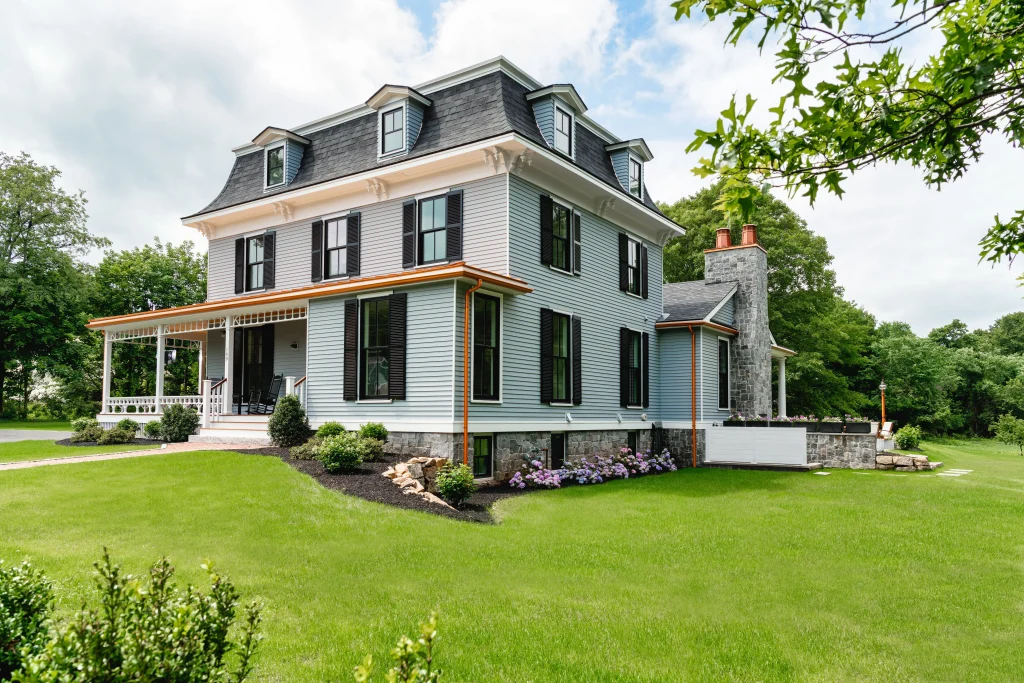
For premium and historic applications, the Marvin Signature collection offers fully customizable wood windows built to exacting specifications.
Clad-wood windows offer an excellent bridge solution for homeowners who want the interior warmth of wood and the trim integration it provides, with reduced exterior maintenance. An aluminum or fiberglass exterior cladding protects the wood core from weather and UV damage while preserving the authentic interior aesthetic.
Clad wood windows are particularly well-suited to historic preservation requirements because they maintain the visual profile and interior character of original wood windows while delivering better resistance to the elements on the exterior face.
Wood vs. Vinyl Windows Pros and Cons
Here are the advantages and disadvantages of wood and vinyl windows and when to choose them.
Pros of Wood Windows
- Unmatched aesthetic appeal — natural grain and warmth that no synthetic material fully replicates
- Can be repainted or restained at any time, giving you full control over color and finish over the years
- Excellent natural insulation — wood is a poor conductor of heat and cold, contributing to strong thermal performance
- Compatible with historic preservation requirements and period-appropriate architecture
- Adds perceived value in premium and luxury real estate markets
- Highly customizable in size, profile, and finish for bespoke or architecturally detailed projects
Cons of Wood Windows
- Higher upfront material and installation costs compared to vinyl
- Requires ongoing maintenance — periodic painting, staining, and sealing to prevent rot, warping, and moisture damage
- Vulnerable to insects, fungal growth, and water damage if not properly maintained
- Longer lead times due to material sourcing, milling, drying, treating, and finishing requirements
- Heavier than vinyl or fiberglass, which can complicate installation in some applications
- Not practical for homeowners seeking a low-maintenance solution
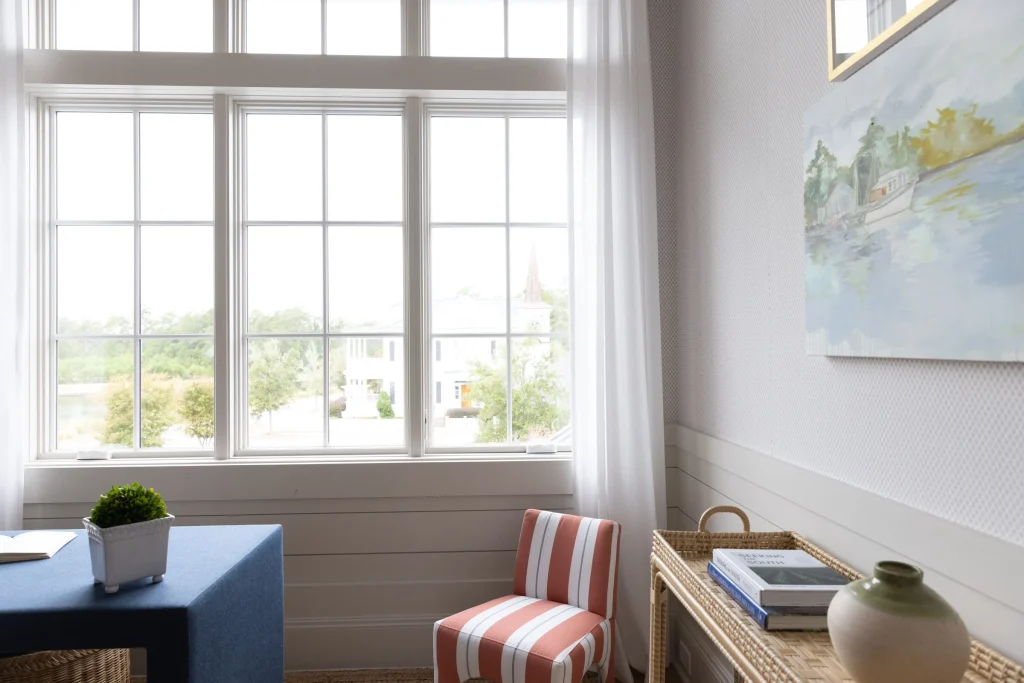
Vinyl windows earn their popularity honestly. Here’s a balanced look at the real advantages and disadvantages.
Pros of Vinyl Windows
- Lower upfront cost and installed pricing
- Near-zero maintenance after installation
- Good energy efficiency, especially with multi-chamber frame designs
- Widely available in standard sizes and configurations
- Straightforward installation
Cons of Vinyl Windows
- Lower aesthetic ceiling for high-end or architecturally detailed homes
- Not approved for use in most historic preservation districts
- Perceived as a lower-end material by some buyers in premium markets
Wood is the clear winner for homeowners in historic districts or older homes where authenticity matters, high-end custom builds where aesthetics and craftsmanship are a priority, buyers who plan to stay long-term and are willing to invest in upkeep, and anyone who values the ability to refinish and refresh their windows over decades rather than replacing them.
Vinyl is the clear winner for budget-conscious homeowners looking for value, rental properties and real estate investment projects, new construction in non-historic neighborhoods, and anyone who genuinely wants zero ongoing maintenance commitment.
It’s also worth briefly noting that when exploring the question of fiberglass vs. vinyl vs. wood windows, fiberglass sits as a middle-ground option — stronger than vinyl, more dimensionally stable in heat extremes, and a step closer to wood aesthetics without the maintenance. It’s worth considering if vinyl feels limiting, but wood feels out of reach.
The Wood-Clad Middle Ground: Best of Both Worlds?
For many homeowners, vinyl vs. wood-clad windows is actually the more relevant comparison than pure vinyl versus pure wood. Clad wood windows give you a wood interior — paintable, trim-friendly, and visually warm — with an exterior shell of aluminum or fiberglass engineered to resist moisture, UV exposure, and seasonal movement.
Marvin’s cladding is finished with an AMA 2605-grade paint process, the highest standard in the industry, meaning color fade won’t be noticeable for several years, even in demanding climates.
| Feature | Pure Vinyl | Clad Wood | Pure Wood |
| Installed Cost | $500–$1,000 | $1,000–$2,500+ | $800–$2,000+ |
| Interior Aesthetic | Functional | Wood warmth | Rich, natural |
| Exterior Maintenance | Minimal | Minimal | Moderate to high |
| Custom Sizing | Limited | Flexible | Flexible |
| Historic District Use | Typically not approved | Often approved | Approved |
In terms of cost, clad-wood replacement windows typically range from $1,000 to $2,500+ installed per window, sitting above standard vinyl but often below the highest-end pure-wood options. It’s a meaningful investment, but one that pays off in long-term durability and the authentic aesthetic that pure vinyl simply can’t deliver.
When standard vinyl product lines can’t accommodate unique sizing or custom specifications, clad-wood windows offer the flexibility to meet those architectural requirements without sacrificing performance. Marvin Elevate (wood-fiberglass) and Marvin Ultimate (wood-aluminum clad) are the two leading options for homeowners seeking this balance — real wood warmth inside, engineered durability outside, and a finish built to last.
For buyers who want an even more accessible entry point, wood-clad vinyl windows (a vinyl core with a wood interior veneer) deliver wood’s warmth where you see and touch it most, at a price point closer to standard vinyl.
Ready to Replace Your Windows? Let’s Talk
Choosing between wood and vinyl windows is one of the more consequential decisions you’ll make in a home improvement project — and it’s one you shouldn’t have to navigate alone.
At Davis Window and Door, our certified installers work with Atlanta and Charlotte homeowners every day to match the right material to the right home, budget, and long-term goals. Whether you’re leaning toward vinyl’s value, wood’s character, or something in between, we’ll give you a straight answer — not a sales pitch. Request a consultation and find out which window is actually right for your home.

FAQs
What is the main difference between wood and vinyl windows? Wood windows offer superior aesthetics, customization, and resale appeal, while vinyl windows are more affordable and require almost no maintenance. The right choice depends on your budget, home style, and how much upkeep you’re willing to take on.
How much do wood and vinyl windows cost to install? Vinyl windows typically run $500–$1,000 installed per window. Wood windows generally start at $800 and can exceed $2,000 per window, with custom or specialty options going even higher.
Do wood windows require a lot of maintenance? Yes. Wood windows need annual inspections, touch-up caulking, and repainting or restaining every 3–5 years. The upside is that damaged sections can often be repaired rather than replaced, significantly extending their lifespan.
Can vinyl windows be used in a historic district? In most cases, no. Historic preservation boards typically require materials that match the period character of the original construction, usually wood windows. Always verify local requirements before ordering.
How long do vinyl vs. wood windows last? Vinyl windows typically last 20–40 years with minimal upkeep. Wood windows can last 30–50+ years, though that longer lifespan depends on consistent maintenance.
Which window type is better for resale value? Wood windows tend to add more perceived value in premium, luxury, and historic markets. Vinyl windows hold solid resale value in most standard residential settings, particularly in budget-conscious or investment properties.