


Ultrex fiberglass is a proprietary pultruded fiberglass material engineered specifically for windows and doors, and it outperforms vinyl, aluminum, and wood on strength, thermal stability, and long-term durability.
If “Ultrex” keeps showing up during window research, this guide explains what it actually is, how it stacks up against other frame materials, and how to know whether it fits a specific project.
What Are Ultrex Fiberglass Windows?
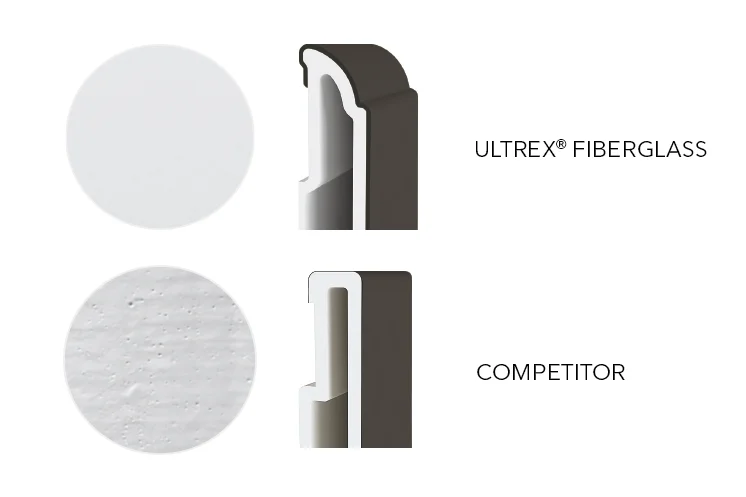
Ultrex is engineered through pultrusion, a manufacturing process that aligns continuous glass fibers within a resin matrix to produce a dense, dimensionally stable composite. It’s not the same material used in a bathtub or boat hull; it’s purpose-built for the demands of residential window and door frames, where strength and stability under temperature swings matter most.
The color also runs through the material itself rather than sitting on top as an applied coating. That means a scratch or chip won’t reveal a different color underneath, and there’s nothing to peel or flake over time.
Ultrex is available in a range of configurations, including casement, awning, double-hung, picture windows, and inswing French doors, so it isn’t limited to one window style.
How Does Ultrex Compare to Vinyl, Aluminum, and Wood?
Window frame material affects strength, energy performance, and how much upkeep a window needs over its lifespan.
| Material | Strength | Thermal Expansion | Maintenance |
| Vinyl | Moderate | Expands up to 7x more than glass | Low upfront, degrades over time |
| Aluminum | High | Conducts heat and cold directly | Low, but poor thermal performance |
| Wood | Moderate | Moderate | Repainting or sealing every 3–7 years |
| Ultrex Fiberglass | 8x stronger than vinyl | 87% less expansion than vinyl | Very low, no repainting |
Vinyl is affordable and low-maintenance at installation, but it expands and contracts significantly with temperature swings. Over years of thermal cycling, that movement stresses the seal between the frame and the glass unit, eventually leading to drafts and energy loss.
Aluminum is strong but conducts heat and cold directly through the frame, which limits its thermal performance in cold climates.
Wood is thermally efficient but requires regular repainting or sealing, and it’s vulnerable to swelling and rot in humid environments.
Ultrex expands at nearly the same rate as glass, which helps the seal around the insulated glass unit stay intact for longer. One of the main reasons windows lose their rated energy performance over time is due to seal failure from thermal cycling.
That same strength also lets Ultrex span wider and taller openings without the visible reinforcement vinyl typically needs at larger sizes; a meaningful difference for oversized or custom window openings.

What Makes Ultrex Fiberglass Windows Durable?
Three material properties work together to give Ultrex its long-term performance:
- Thermal resistance: Ultrex can withstand temperatures up to 285°F without distorting, per manufacturer specifications; relevant for south-facing windows, sunrooms, and other direct-sunlight applications where standard vinyl can soften or warp.
- Fade resistance: Because color runs through the material rather than sitting on top, there’s no surface layer to chalk, peel, or fade unevenly the way painted aluminum or vinyl can in sun-exposed applications.
- Moisture resistance: Fiberglass doesn’t absorb water, which matters in humid climates, coastal areas, and regions with significant freeze-thaw cycling. Wood, by comparison, absorbs moisture and can swell or rot without regular maintenance.
Is Ultrex Fiberglass the Right Choice for a Home?
Budget: Fiberglass windows typically cost more upfront than vinyl. Over a 20–30-year window lifespan, though, the lower maintenance requirements and longer service life change the total cost picture. Vinyl is more prone to earlier seal failure and hardware adjustments as frames shift over time.
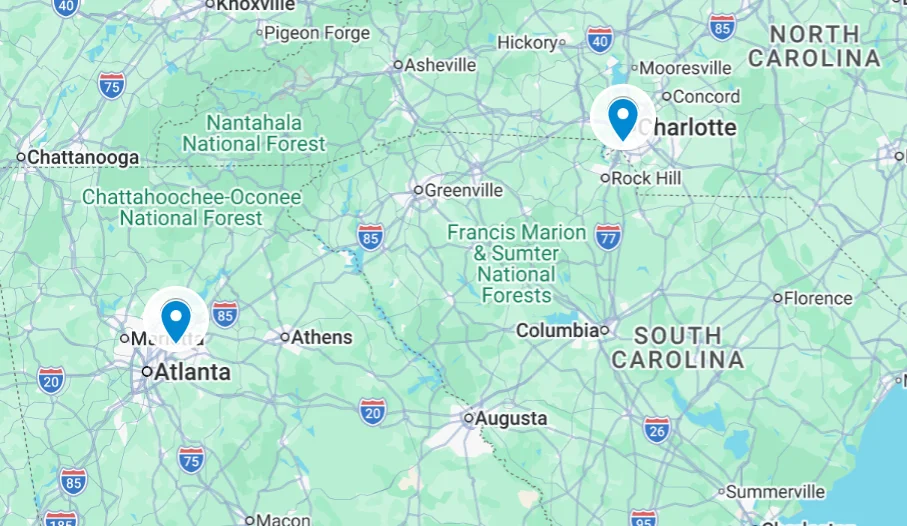
Climate: Ultrex performs especially well in climates with extreme temperature swings, coastal humidity, or intense UV exposure. In mild, stable climates, vinyl may perform adequately for some homeowners. This is especially true for Atlanta and Charlotte climates, where Davis Window and Door serves.
Installation: Proper installation technique matters as much as the material. Improper installation can void most window warranties, which means the performance benefits homeowners are paying for depend on getting that part right. A certified installer and a labor warranty that matches the product warranty are what make the long-term value case actually hold up.
Learn More about Ultrex Windows Today
Ultrex fiberglass addresses the core weaknesses of vinyl, aluminum, and wood in a single material: thermal stability, finish durability, structural strength, and moisture resistance that holds up over decades. For homeowners prioritizing long-term value over the lowest upfront cost, it’s worth it.
Davis Window and Door carries Marvin Ultimate, Elevate, and Essential window collections carrying Ultrex fiberglass. Our Marvin-certified installers back every project with a labor warranty that matches the product warranty, so homeowners aren’t just investing in a better material; they’re investing in an installation that protects it.
We have completed over [X] Ultrex fiberglass installations across the Atlanta and Charlotte markets. See what homeowners are saying on the reviews page, browse the full windows lineup, or request a consultation to talk through options for a replacement or new construction project.
FAQs about Ultrex Fiberglass
Here are answers to frequently asked questions about Ultrex material.
What Is Ultrex Fiberglass?
A proprietary pultruded fiberglass made by Marvin; glass fibers aligned in a resin matrix, colored all the way through.
Are Fiberglass Windows Better Than Vinyl?
Fiberglass is stronger, expands less with temperature changes, and requires less long-term maintenance than vinyl. Vinyl remains a lower-cost option that performs adequately in milder climates.
Why Choose Ultrex Fiberglass for Windows and Doors?
Ultrex combines strength, a color-through finish that resists fading, and moisture resistance in a single material, addressing the main weaknesses of vinyl, aluminum, and wood without trading one limitation for another.
Does Ultrex Fiberglass Need Repainting?
No. Because the finish is bonded to the material during manufacturing rather than applied as a surface coat, Ultrex fiberglass windows don’t require the repainting or resealing cycles that wood windows typically need.
Which Is Better, Fibrex or Ultrex?
Different materials, different makers. Fibrex (Andersen) is a wood-fiber/PVC composite; Ultrex (Marvin) is pure fiberglass and rated roughly 3x stronger by Marvin’s own published testing.
What Is the Downside of Fiberglass Windows?
Higher upfront cost, fewer color options, fewer installers to compare, and custom sizes cost more and take longer.