

Homeowners often ask, “Does replacing windows increase home value?” The answer is yes; nationally, homeowners recover about 76% of the cost of an upscale vinyl window replacement at resale, and about 70% for wood windows, according to the 2025 Cost vs. Value Report from Zonda/JLC, the most widely cited benchmark for home improvement ROI.
On a typical upscale vinyl project costing around $22,000, that works out to roughly $16,700 recovered in added resale value, with the rest of the return coming from energy savings and a stronger negotiating position at sale. The real number for any given home depends on the local market, window material, and buyer profile. Davis Window and Door’s certified installers can assess your specific opening and provide an accurate quote.
This guide walks through what the data actually says about replacement window ROI, how to estimate a real return, how energy savings factor in, and when to replace vs. repair windows.
How Does Replacing Windows Increase Home Value?
Replacing windows increases home value primarily through strong return on investment (ROI), immediate buyer appeal, and long-term cost savings. The Remodeling Cost vs. Value Report puts national ROI at about 76% for upscale vinyl window replacement (job cost $22,073, resale value $16,657) and about 70% for wood window replacement (job cost $26,781, resale value $18,764).
That is not the same as saying a home’s value increases dollar-for-dollar with the project cost. The distinction matters: ROI measures cost recovery, not net gain. Window replacement reduces buyer objections, supports a stronger asking price, and helps prevent post-inspection price reductions.
Factors Increasing Window Replacement Return on Investment
Replacement windows ROI and property value enhancement attract prospective buyers through several key factors:
Energy Efficiency: Modern windows use multi-pane glass, gas fills, and Low-E coatings to reduce heat transfer significantly. That means lower utility bills year-round, well before any sale. According to ENERGY STAR, certified replacement windows can lower heating and cooling costs by an average of about 12% nationally. Over five to ten years, those savings compound into a real financial benefit that adds up well before resale.
Curb Appeal: Upgrading to clean sightlines and modern framing materials (vinyl, fiberglass, wood, or aluminum-clad) instantly revitalizes a house’s look and signals to buyers that the home is well-maintained. Curb appeal does not increase home value dramatically on its own, but deteriorating windows can actively suppress value and raise red flags before a buyer ever steps inside. New windows remove that liability.
Reduced Maintenance: Newer materials resist rotting, chipping, and fading, and often include conveniences like tilt-in sashes for easier cleaning.
Enhanced Comfort and Noise Reduction: Modern replacements reduce drafts, minimize cold and hot spots near windows, and can noticeably dampen outside noise.
Return on Investment (ROI) Breakdown: Whole-house replacement project costs vary significantly by home size and material choice. According to the National Association of Realtors’ Remodeling Impact Report, window replacement also scores among the highest homeowner satisfaction ratings of any exterior remodeling project, alongside its strong resale cost recovery.
Whether replacing windows increases home value also depends on four key variables: the local real estate market, the condition of the existing windows, the buyer profile most likely to purchase the home, and the local climate’s energy demands. It’s crucial to know that a home in Minneapolis with 25-year-old single-pane windows has a very different ROI picture than a newer home in Phoenix with windows that just need minor maintenance.
Learn more about the benefits of replacing windows in our detailed guide.
How Much Do New Windows Actually Cost?

Window replacement costs vary significantly based on material:
- Vinyl windows: Typically the most budget-friendly option, valued for durability and low maintenance
- Wood windows: A higher-investment option with strong aesthetic appeal, though they require more upkeep
- Fiberglass windows: A higher-investment option known for strong performance in extreme climates and a longer lifespan
- Aluminum-Clad and Thermally Broken Aluminum: Higher-investment options often chosen for durability and slim sightlines
Material cost is only part of the picture; labor typically adds meaningfully to the total project cost. For a full home project, realistic total costs vary widely depending on material choice and home complexity, which is why Davis Window and Door’s certified installers can assess your specific opening and provide an accurate quote.
Understanding replacement windows cost and home value together is the only way to know whether the investment and ROI make sense for a given situation.
Request a window consultation to get an accurate quote for your property.
How to Estimate What Window Replacement Is Worth in a Given Market
How much value new windows add to a house depends heavily on where the home sits in the local market, and generic ROI figures often ignore this entirely.
In a moderately priced neighborhood, installing premium fiberglass or wood windows may not yield the same cost recovery as mid-range vinyl windows that bring a home to the neighborhood standard. Appraisers benchmark a home against comparable sales, and windows that match what buyers expect at that price point tend to yield a higher ROI than windows that significantly exceed that price point. Over-improving relative to neighborhood comps is a real risk.
In a higher-end market, the dynamic shifts. Buyers at that price point may expect premium window materials, and standard vinyl windows could hurt the perceived value relative to comparable listings. Here, the ROI calculation favors fiberglass, aluminum-clad, or wood to meet buyer expectations.
The buyer demographic angle adds another layer most homeowners don’t consider:
- First-time buyers tend to prioritize low maintenance and lower utility bills, making vinyl windows with ENERGY STAR ratings a clear fit
- Eco-conscious buyers respond to certified efficiency ratings and documented environmental performance
- Buyers in higher-end markets prioritize aesthetics and material quality, where wood, fiberglass, and aluminum clad carry more weight
- Budget-focused buyers may not pay a meaningful premium for new windows at all, which is a scenario where repair can be the more sensible pre-sale choice
Here’s a simple framework to estimate a real return before committing:
- Get a firm project estimate covering materials, labor, and contingency
- Identify the home’s price tier and what comparable homes are selling for with updated windows
- Estimate the value gap between the current home and those comparable sales
- Calculate the break-even timeline: selling within 12 months makes recovery more direct, while selling in five or more years lets energy savings add meaningfully to the total return over time.
Replacement windows ROI isn’t a one-size-fits-all calculation. It’s a personalized analysis based on the specific home, neighborhood, and buyer pool.
How Does Window Replacement Affect a Professional Home Appraisal?
Appraisers evaluate windows based on condition, functionality, energy rating, age, and whether they meet current building standards. New windows in good condition with documented installation support a stronger appraisal outcome.
Documentation matters here. Keeping receipts, warranty certificates, and any permit records helps. An appraiser who can see that windows were professionally installed, permitted where required, and carry an active warranty will typically give more credit to that improvement than to undocumented work.
Should You Repair Windows or Replace Them?
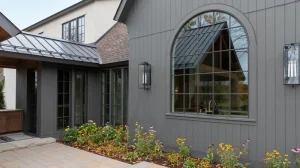
The decision to repair vs. replace windows comes down to a clear framework based on the windows’ actual condition, not just their age.
Repair may be the more practical choice when:
- Windows are structurally sound and operate correctly
- Damage is cosmetic; worn weatherstripping, minor caulk failure, stiff hardware
- Frames show no rot, warping, or moisture damage
- Glass seals are intact with no fogging between panes
In these cases, a modest repair investment is a factual, lower-cost alternative to full replacement.
Replacement is generally the better call when:
- Seal failure has caused visible fogging or condensation between panes
- Frames show rot, warping, or structural compromise from moisture
- Single-pane glass is used in climates with real heating or cooling demands. Learn more about double-pane vs. triple-pane windows.
- Drafts are felt near closed windows, indicating air infiltration
- Windows are aging toward or past the end of their expected service life for the local climate
- Windows stick, won’t lock, or can’t be fully opened or closed
These are when replacement windows make the biggest difference and signs that repair won’t be enough. A buyer who discovers window issues during the inspection will either ask for a price reduction that often exceeds the cost of replacement, or walk away entirely. Proactive replacement can preserve the asking price and remove a common negotiation flashpoint.
Warranty and Installation Quality: The Hidden Factor Buyers Notice

Buyers increasingly ask for documentation on major home improvements, and window installation ranks near the top. Appraisers and buyers alike look for more than the product itself; they check whether the work was done right and remains protected.
Keep warranty certificates, installation receipts, permit records, and manufacturer documentation organized and accessible. This paperwork signals to buyers, agents, and appraisers that the work was done correctly and coverage is still active.
Installation quality matters just as much as the product. Poor flashing, sealing, or frame alignment can cause air infiltration, water damage, and premature failure, voiding the manufacturer’s warranty and creating the exact damage that suppresses value and raises inspection red flags. That’s why Davis Window and Door’s manufacturer-certified installers back every job with a labor warranty matching the product warranty, so installation and product are covered with no gaps.
Replacement windows ROI depends heavily on who does the work. Documented, professionally installed windows with active warranties support stronger appraisals, reduce buyer hesitation, and protect the home from moisture and air issues tied to poor installation. Choosing a manufacturer-certified installer is a financial decision, not just a quality preference.
Learn how to choose a window replacement company to increase ROI in our guide.
Ready to Increase Your Home’s ROI

Replacement windows add value to homes with strong cost recovery at resale, real energy savings over time, and a meaningful impact on how buyers perceive the property. New windows tend to increase home value most reliably when the decision is made strategically: the right material, the right market timing, and the right installer.
The exact return on investment depends on the market, the current window condition, and the choices made about materials and installation, which is exactly why a professional in-home assessment and installation is crucial.
Davis Window and Door brings a combination of factors to that assessment that homeowners in Norcross, GA, and Charlotte, NC, consistently point to when choosing an installer:
- Decades of combined experience. Davis Window and Door’s sales and technical teams bring more than 100 years of combined experience to every project.
- A multi-brand lineup, not a single-brand sales pitch. Rather than pushing one product line regardless of fit, Davis Window and Door carries some of the best replacement window brands, including all four current Marvin collections (Elevate, Essential, Modern, and Ultimate), so the material and price point can be matched to the home and the market.
- Manufacturer-certified installation. Since installation quality is one of the biggest hidden factors in whether a window project actually delivers its expected ROI, Davis Window and Door uses manufacturer-certified installers rather than generic subcontractors, and its labor warranty matches the product warranty.
- No-pressure, consultative process. The path from consultation to quote to installation is built to be educational rather than pushy, which is part of why homeowners who’ve worked with Davis Window and Door describe the experience the way they do in their reviews.
Ready to find out if window replacement is the right move for your home? Connect with Davis Window and Door for a professional in-home assessment, an honest cost estimate, and a clear picture of the return to expect in your market.