
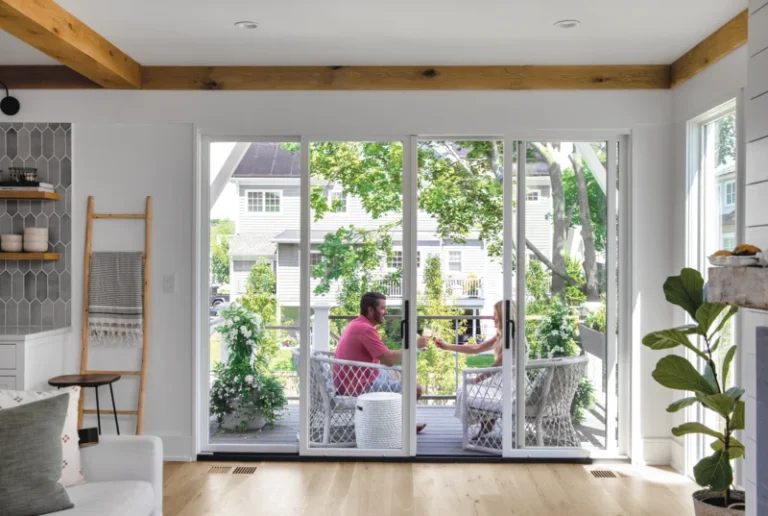
Signs you need a new patio door replacement include difficulty operating, faulty locks, drafts, fogged glass, rising energy bills, visible damage, and age.
A patio door that’s failing doesn’t always fail dramatically. More often, it declines gradually, losing efficiency, security, and smooth operation over months or years. Catching these signs early can prevent more expensive repairs down the road and support a confident decision before a small problem becomes a big one.
Here are the seven most common signs it’s time to replace sliding patio doors.
7 Signs You Need a New Patio Door Replacement
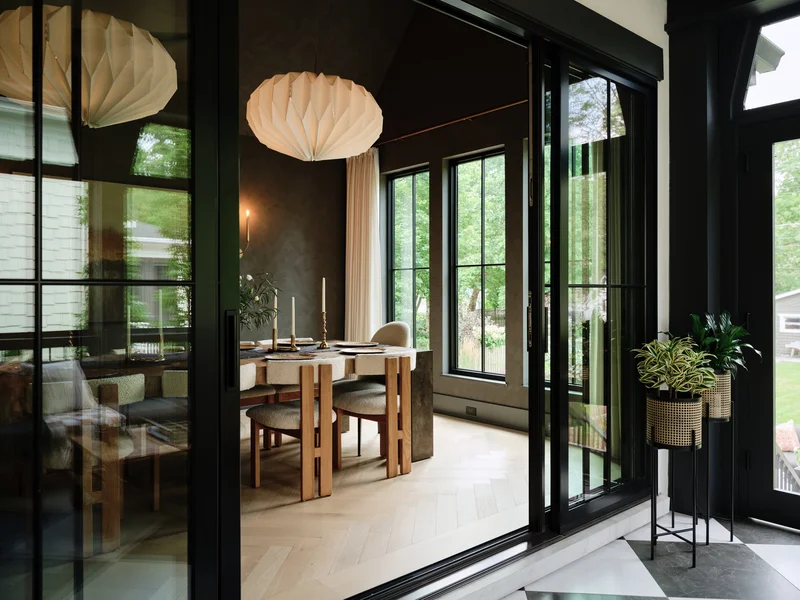
Sign 1: You Have to Struggle to Open or Close the Door
A hard-to-operate patio door is the most noticeable red flag. This isn’t mild resistance; it’s grinding, sticking mid-track, jumping off the rail, or needing two hands for what should slide with one finger.
Common causes include warped frames from moisture, worn rollers, bent tracks from repeated use, and foundation settling that throws off alignment. Before assuming sliding patio door replacement is needed, try cleaning the track and checking roller height; this alone often restores smooth operation.
The line between maintenance and replacement: if the frame is warped, the track is bent beyond adjustment, or the door keeps derailing despite fixes, the damage is structural.
Sign 2: You Can’t Lock the Door Properly
A patio door that won’t lock is a home security vulnerability that deserves immediate attention.
Common locking issues include a latch that won’t fully catch, a stiff or jammed lock, a loose handle that wiggles without engaging, or a shifted door panel that misaligns with the strike plate. Sometimes a locksmith visit or simple hardware swap fixes it, especially if only the lock mechanism is worn.
But if the frame or panel has warped, no amount of new hardware will help; structural misalignment calls for replacement.

Sign 3: You Feel Drafts or Air Leaks Around the Frame
A drafty door is one of the clearest signs it’s time to replace your patio door, and it takes minutes to check. On a cold or windy day, hold a hand or a lit candle near the frame edges and bottom sweep; flickering or a cold draft means air is getting in.
Worn weatherstripping is often the culprit. A quick visual check can tell you if that’s the issue or something more; see our parts of a door guide for what to look for. But if the frame has warped or the glass seal has failed, new weatherstripping won’t help, and replacement is needed.
Sign 4: Condensation or Fogging Has Appeared Between the Glass Panes
Fogging between a door’s glass panes signals that the sealed glass unit, the core of the door’s insulation, has failed. This means moisture has breached the space between the panes, permanently reducing the door’s thermal performance.
Surface condensation on the glass is normal in humid conditions and not a concern. Fogging trapped between the panes means the factory seal has broken and the insulating gas that gave the door much of its thermal performance has escaped.
In some cases, if the frame is still solid, just the glass panel can be replaced. But if the frame is also aged or worn, replacing only the glass often won’t solve the bigger issue.
Sign 5: Energy Bills Have Been Quietly Climbing
Patio doors are among the largest glass surfaces in most homes, making them one of the biggest heat-transfer points in the building envelope. An underperforming door can be a significant, silent source of energy loss.
To check whether your door is driving up energy bills, compare utility statements season-over-season over the past two to three years. If bills have crept up without changes in usage habits or rate hikes, declining door performance may be the cause, especially if the increases line up with the door’s age or with visible wear like drafts and fogging.
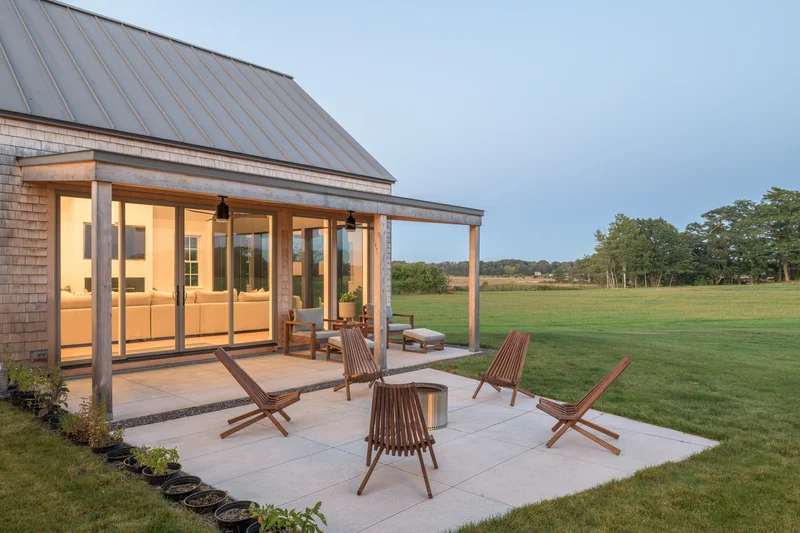
Sign 6: Visible Damage to the Frame, Glass, or Hardware
Cracked or chipped glass, warped or rotting frames, bent tracks, corroded hardware, and UV discoloration all point to structural problems.
Frame damage is especially telling. A warped or rotted frame can’t hold a proper seal, can’t support the glass correctly, and often can’t be squared up once the damage sets in. Wood frames are vulnerable to moisture rot, while older aluminum frames can corrode and lose structural integrity over time.
The repair-versus-replace decision comes down to scope. Small hardware issues such as a worn roller or a stiff handle can often be fixed without full replacement. But cracked glass panels typically call for full replacement, both for safety and thermal performance.
Sign 7: The Patio Door Is Simply Too Old
Age alone can justify replacing a patio door, even if it still opens and closes without obvious issues.
Most sliding glass doors last roughly 20 to 30 years, depending on material and climate exposure. But a 25-year-old door that’s still technically functional may be costing you in less obvious ways.
Doors built before modern energy codes often used single-pane or early double-pane glass without low-E coatings and simply can’t match today’s thermal performance. Newer patio doors, including Marvin’s door lines, are typically built with multi-point locking systems and advanced glass packages older units weren’t designed around.
Davis Window and Door’s certified installers, serving homeowners throughout the Atlanta and Charlotte areas, can give an honest assessment without any high-pressure sales tactics if any of these signs sound familiar.
Replace Your Patio Door Today
Knowing when to replace your patio door helps homeowners avoid costly surprises and keep a home comfortable, secure, and energy-efficient.
Davis Window and Door’s certified installers can give an honest, no-pressure assessment of whether a door’s age justifies replacement and help homeowners explore patio door replacement options suited to their home and climate.
Ready to find a sliding glass door replacement? Schedule a consultation with a certified Davis Window and Door installer or see our door replacement options.