



Floor to Ceiling Windows: A Quick Overview
- Floor to ceiling windows create dramatic visual impact by maximizing natural light and connecting indoor spaces to the outdoors, but they require thoughtful design and professional installation to perform well long-term.
- These systems are typically built as window walls, combining fixed and operable glass to balance views, ventilation, comfort, and safety.
- The biggest considerations include cost, privacy, energy efficiency, and placement—making them ideal for some spaces, like living rooms and open-concept areas, but not every wall in every home.
- Modern glass technology, proper framing, and climate-appropriate design can make floor-to-ceiling windows comfortable and efficient, even in warmer regions like Atlanta and Charlotte.
- Working with an experienced local installer like Davis Window and Door helps ensure the final result aligns with your home’s structure, lifestyle, and budget—not just the look you’re aiming for.
Floor to ceiling windows have become one of the most talked-about upgrades in residential design, and it’s not hard to see why. They flood a space with light, visually open up rooms, and instantly give a home a modern, architectural feel. But they’re also a significant investment, and the decision goes far beyond aesthetics. Factors like performance, cost, privacy, safety, and long-term comfort all come into play.
Homeowners across Atlanta and Charlotte often ask the same question: are floor to ceiling windows worth it for my home, or am I better off with a more traditional approach? The answer depends on how these windows are designed, where they’re installed, and how well they’re matched to your home and lifestyle. That’s where working with an experienced local installer makes a difference. Davis Window and Door helps homeowners navigate these decisions every day, combining design insight with practical, performance-focused guidance so the end result looks great and works even better.
What Are Floor to Ceiling Windows and How Do They Work
Floor to ceiling windows are large glass window systems that extend vertically from close to the floor up to the ceiling. In most homes, this look isn’t created with a single oversized pane, but rather through a combination of fixed and operable windows installed together to form a continuous wall of glass. These configurations are often referred to as window walls, a term you’ll hear frequently in both design and construction conversations.
Typically, picture windows form the main glass panels because they maximize views and light. Smaller operable windows, such as awning or casement styles, may be integrated for ventilation. Because of their size, these systems require careful structural planning, proper framing, and precise installation. This is not a plug-and-play upgrade, which is why homeowners benefit from working with professionals who understand both the design intent and the technical requirements.
Why Floor to Ceiling Windows Are So Popular in Modern Homes

The rise of modern floor to ceiling windows reflects how people want their homes to feel today: brighter, more open, and more connected to the outdoors. Open-concept layouts, clean architectural lines, and minimalist interiors all pair naturally with expansive glass.
Another reason for their popularity is the emphasis on natural light home windows. Sunlight makes interiors feel larger and more inviting, and it reduces the need for artificial lighting during the day. In homes with scenic views or private backyards, floor-to-ceiling glass turns the outdoors into part of the interior experience. These benefits explain why architects frequently include them in modern home window ideas, especially in living areas designed for gathering and entertaining.
Floor to Ceiling Windows Pros and Cons for Homeowners
These windows can be transformative, but they also introduce considerations that don’t apply to standard-sized units.
The Biggest Advantages of Floor to Ceiling Glass Windows
One of the most obvious benefits of floor to ceiling glass windows is the amount of daylight they bring into a space. Rooms feel brighter, more expansive, and more visually connected to the outdoors. This design impact is hard to replicate with smaller windows.
These systems also elevate a home’s architectural presence. They create a clean, high-end look that appeals to buyers and can enhance overall property appeal. When thoughtfully designed, floor-to-ceiling windows improve flow between indoor and outdoor living spaces, making patios, decks, and gardens feel like natural extensions of the home.
READ: Create a Contemporary Style Home With Modern Windows and Doors
The Most Common Disadvantages of Floor to Ceiling Windows
The disadvantages of floor to ceiling windows usually come down to cost, privacy, and performance if the wrong products are chosen. Larger glass areas are more expensive than standard windows, both in materials and installation. Privacy can also be a concern, particularly on street-facing walls or densely populated neighborhoods.
Maintenance is another factor. More glass means more surface area to clean, and improper installation can lead to drafts or discomfort. These drawbacks aren’t dealbreakers, but they highlight why careful planning and professional guidance matter.
Floor to Ceiling Windows vs Traditional Windows: What’s the Difference
When comparing floor to ceiling windows vs traditional windows, the differences go beyond size and visual impact. Traditional windows are typically more budget-friendly, easier to replace, and simpler to integrate into existing wall structures. They work well in most homes and offer dependable comfort and insulation when properly installed.
Floor-to-ceiling systems prioritize openness, natural light, and architectural impact. Because they involve larger expanses of glass, they require more planning, stronger structural support, and higher-quality materials to perform well. When designed with the right glass, frames, and professional window installation in Atlanta, these systems can deliver strong thermal performance alongside their visual appeal.
The right choice depends on your goals. Some homeowners prefer the simplicity of traditional windows, while others combine both styles—using floor-to-ceiling glass in key living areas and traditional windows elsewhere—to balance aesthetics, comfort, and budget. An experienced installer can help determine which approach makes the most sense for your home.
Where Floor to Ceiling Windows Work Best in a Home
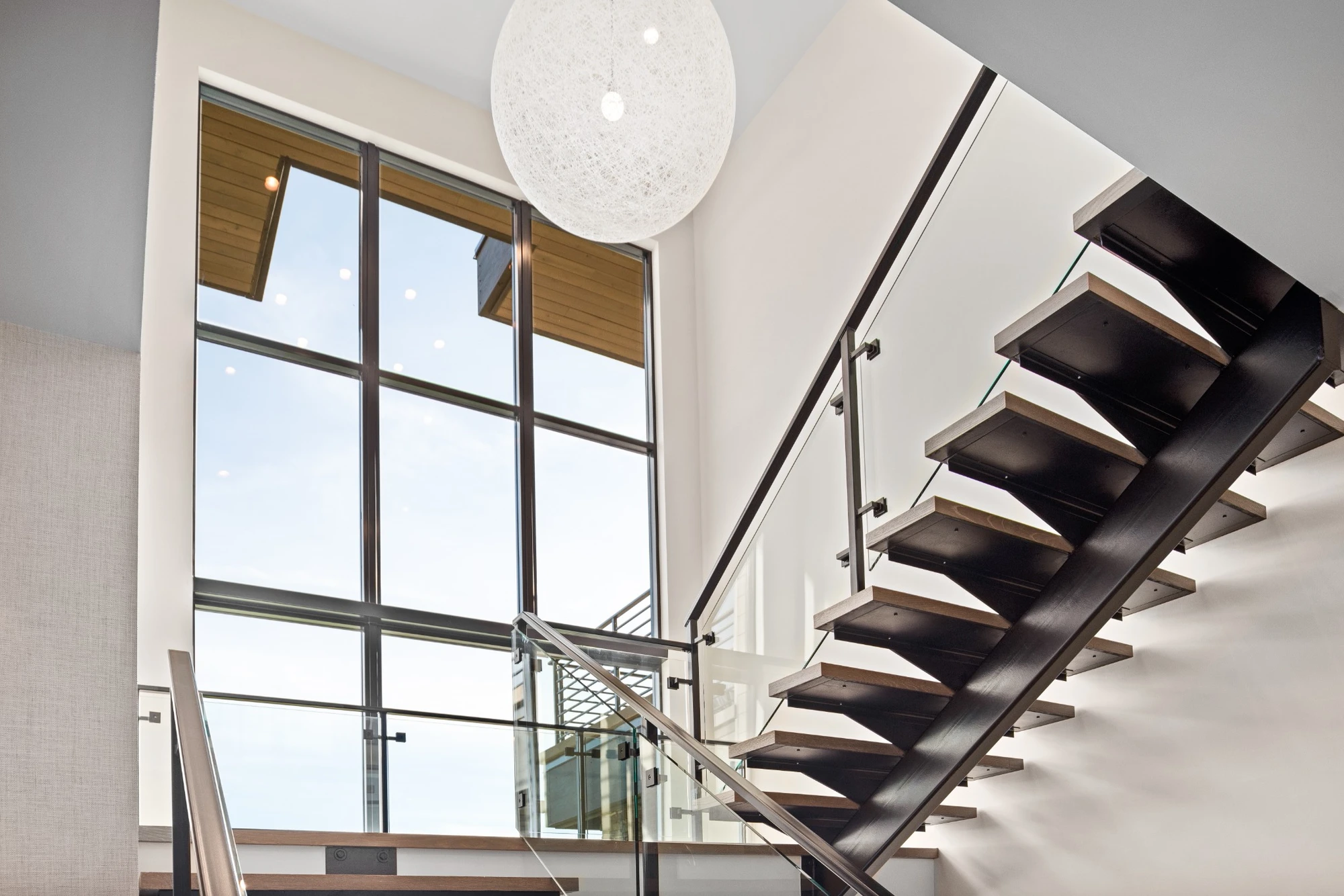
Placement plays a major role in how successful these windows feel long-term. Not every wall is a good candidate, and strategic placement can make the difference between a stunning feature and an underused one.
Floor to Ceiling Windows in Living Rooms and Open-Concept Spaces
Floor to ceiling windows in living room areas and open-concept layouts tend to deliver the biggest payoff. These spaces benefit most from increased light and expansive views, and they’re typically where homeowners spend the most time. Large glass panels can anchor the room, highlight outdoor scenery, and enhance entertaining.
Other spaces like dining rooms, stairwells, and even bedrooms can also work well, depending on privacy and orientation. The key is matching the window placement to how the room is used day to day.
Floor to Ceiling Windows Cost and What Impacts Pricing
Floor to ceiling windows cost varies widely based on several factors. Size and number of panels are major contributors, as larger or custom configurations require more material and labor. Glass options, such as double- or triple-pane units and specialized coatings, also influence pricing.
Frame materials, structural modifications, and installation complexity further affect the final number. Because of these variables, pricing is best discussed during a professional consultation. Homeowners exploring window replacement or installation projects alongside new glass systems often find that bundling upgrades creates better long-term value and a more cohesive result.
Floor to Ceiling Windows Energy Efficiency, Safety, and Performance
Concerns about floor to ceiling windows energy efficiency are common, but modern glass technology has come a long way. Low-emissivity coatings, insulated frames, and multi-pane glass help control heat transfer and maintain indoor comfort. Choosing the right configuration for your climate is essential, especially in regions with hot summers or fluctuating temperatures.
Safety is another key consideration. Building codes often require tempered or laminated safety glass for large panels that extend close to the floor. Proper installation ensures these windows are secure, weather-tight, and durable. Experienced installers understand these requirements and design systems that balance performance, safety, and comfort.
Design Options, Window Walls, and Frame Materials to Consider
Design flexibility is one of the biggest advantages of window walls, and this is where floor-to-ceiling systems truly stand out. Homeowners aren’t selecting a single window style—they’re designing a complete glass composition. Fixed picture windows maximize views, while operable awning or casement windows can be integrated for ventilation without disrupting clean sightlines.
Exploring floor to ceiling window design ideas early helps align expectations with practical constraints. Some homeowners prefer uninterrupted glass with minimal framing, while others choose structured layouts that complement the home’s architecture. Panel sizing, mullion spacing, privacy needs, and sun exposure all shape the final design.
The frames and materials for floor to ceiling windows are just as important. Wood offers warmth and customization, aluminum delivers slim modern profiles, and fiberglass or vinyl balance durability with efficiency. For expansive windows, Davis Window and Door offers and installs Quaker luxury windows designed specifically for large-scale applications.
Quaker’s CityLine, EdgeLine, and Insight collections are well-suited for floor-to-ceiling designs, offering refined aesthetics, structural strength, and expansive openings without excessive framing. These lines are often selected for high-end homes where design precision and long-term performance matter equally.

FAQs About Floor to Ceiling Windows
What Are the Windows From Floor to Ceiling Called?
Windows that extend from near the floor to the ceiling are commonly called floor-to-ceiling windows. They’re also frequently referred to as window walls or walls of windows, especially when multiple units are combined into one continuous system.
How Expensive Is a Floor-to-Ceiling Window?
Pricing varies based on size, materials, and installation requirements, but floor-to-ceiling windows typically cost more than standard units. Custom designs and premium glass options can increase the total investment, which is why a professional consultation is the best way to receive accurate pricing tailored to your home and project.
What Are the Disadvantages of Floor-to-Ceiling Windows?
The main disadvantages include higher cost, potential privacy concerns, and increased maintenance. These challenges can often be managed with thoughtful design and proper product selection.
What Are the Benefits of Floor-to-Ceiling Windows?
Benefits include increased natural light, expansive views, and a strong architectural statement that enhances the overall feel of a home.
Are Floor-to-Ceiling Windows Energy-Efficient?
When built with modern glass technology and installed correctly, floor-to-ceiling windows can perform efficiently. This is achieved through features like Low-E glass coatings that reduce heat transfer, double- or triple-pane glass that improves insulation, insulated frames that limit air leakage, and precise installation that ensures tight seals. Selecting the right combination for your climate is what ultimately determines long-term comfort and performance.
Are Windows Cheaper Than Walls?
Traditional framed walls are generally less expensive than window walls. Window systems require specialized materials and installation, which adds to the cost.
Ready to Explore Floor to Ceiling Windows for Your Atlanta or Charlotte Home?
Floor-to-ceiling windows can completely transform how a home looks and feels when they’re designed and installed with care. If you’re considering this upgrade, Davis Window and Door can help you evaluate options, refine the design, and ensure everything performs as it should.
Homeowners can explore past projects and happy customer feedback through our reviews and testimonials, or take the next step and request a consultation to discuss what’s possible for your home.
For more inspiration and ideas on what’s possible for your home, explore our blog.