


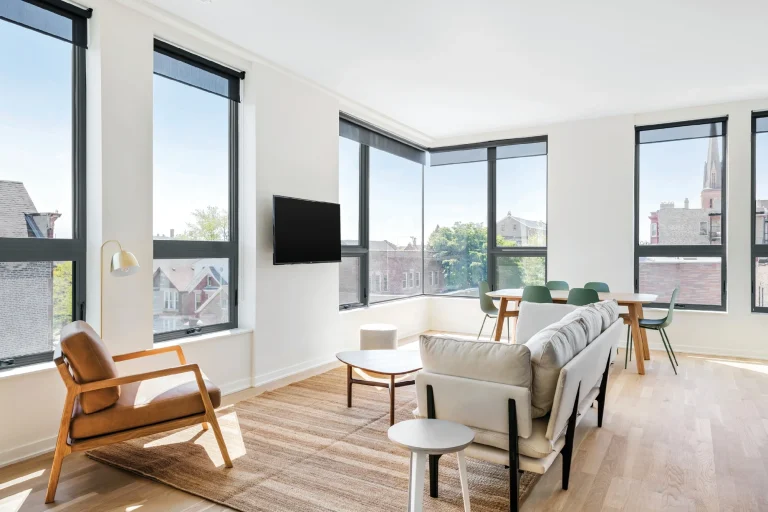
Low Maintenance Windows: A Quick Recap for Homeowners
- Low maintenance windows reduce ongoing upkeep, but they are not maintenance-free; all windows still need occasional cleaning and basic care.
- Material choice matters most—Aluminum, vinyl and fiberglass consistently offer the lowest long-term maintenance compared to wood.
- Proper installation is just as important as the window itself, since poor installation can lead to leaks, drafts, and premature wear.
- Georgia’s heat, humidity, and UV exposure make low-maintenance, energy-efficient materials especially valuable for long-term performance.
- For homeowners planning to stay in their home, low maintenance windows often deliver better value over time by reducing repairs, repainting, and service calls.
Replacing old windows often starts with a simple goal: less work, fewer repairs, and windows that still look great years down the line. That’s where low maintenance windows come into the conversation. The phrase gets used everywhere, but it’s rarely explained clearly. Some homeowners expect windows that never need cleaning or care. Others assume “low maintenance” is just marketing language. The truth sits somewhere in the middle, and understanding it upfront can save you time, money, and frustration later.
Low maintenance windows are about reducing ongoing upkeep, not eliminating responsibility altogether. They’re designed to resist rot, fading, warping, and frequent repairs, especially when compared to older wood windows. Material choice, glass technology, and professional installation all play a role in how low maintenance your windows actually are over time.
If you’re replacing aging windows or doors in Georgia or the Southeast, Davis Window and Door can guide you through the process. Our team helps you evaluate materials, performance, and installation details so you can choose windows that truly fit your home, climate, and lifestyle. If you’re already considering next steps, you can request a consultation.
What Are Low Maintenance Windows and What Does “Low Maintenance” Really Mean?
When professionals talk about low maintenance windows, they’re referring to windows designed to minimize routine upkeep and long-term repair needs. These windows use materials that don’t require painting, sealing, or frequent refinishing, and they’re built to withstand moisture, temperature swings, and sun exposure better than traditional options.
Low maintenance does not mean maintenance-free. All windows need occasional cleaning, inspections, and basic care. The difference is how often and how intensive that care becomes over time. Older wood windows, for example, may need repainting, sanding, and sealing every few years. Low maintenance windows reduce that workload dramatically by using materials engineered to hold up without constant attention.
This distinction matters because expectations shape satisfaction. Homeowners who understand the realistic upkeep of low maintenance windows tend to be far happier with their investment. They’re not chasing repairs or fighting deterioration; they’re doing light, predictable maintenance instead.
Low Maintenance Window Materials Compared: Vinyl Windows, Fiberglass Windows, and More
Material selection is the foundation of any window materials comparison. Frame material influences how often you’ll need maintenance, how long your windows last, and how they perform in Georgia’s climate.
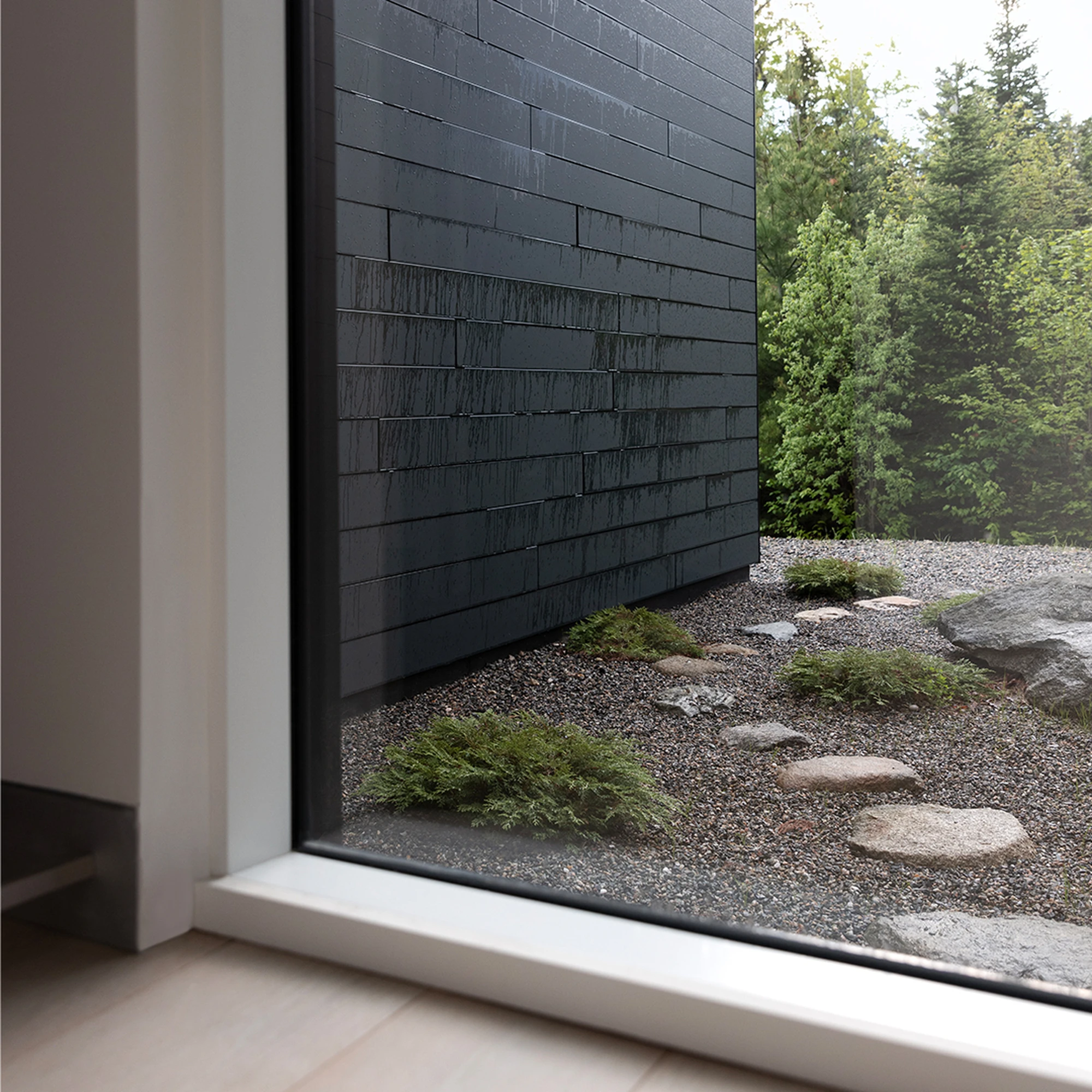
Vinyl Windows
Vinyl windows are one of the most popular low maintenance options on the market, and for good reason. Vinyl frames don’t need painting or staining, and they resist moisture, rot, and insect damage. High quality vinyl can be painted, but paint must be special. Not any paint can be applied.
For homeowners looking to reduce window frame maintenance, vinyl offers a practical balance of durability and affordability. It’s especially well suited for humid regions like Georgia, where moisture can accelerate wear in traditional materials.
Fiberglass Windows
Fiberglass windows are known for strength and stability. Fiberglass expands and contracts at a rate similar to glass, which helps maintain tight seals over time. This contributes to excellent long-term performance and insulation.
Fiberglass frames can be painted, offering design flexibility, but they don’t require frequent refinishing. While the upfront cost is often higher than vinyl, many homeowners value fiberglass for its resilience and long lifespan.
Aluminum Windows
Aluminum frames are strong and resistant to corrosion, making them suitable for certain architectural styles and environments. They require minimal surface maintenance, but aluminum is more conductive than other materials, which can impact insulation performance if a thermal break is not part of the window design.
In Georgia homes, aluminum windows are less common for full replacements but may still appeal in specific designs where strength and slim profiles matter, particularly in modern or contemporary homes. Some premium manufacturers that Davis Window and Door installs, such as Quaker, offer aluminum window systems designed to balance clean lines with improved thermal performance.
Wood and Clad-Wood Windows
Wood windows offer classic beauty but demand ongoing care. Painting, sealing, and monitoring for moisture damage are part of ownership. Clad-wood windows reduce exterior maintenance by covering the outside with aluminum or fiberglass, while keeping wood on the interior.
This hybrid approach lowers maintenance compared to traditional wood but still requires more attention than vinyl or fiberglass.
Vinyl vs Fiberglass Windows: Maintenance Comparison, Durability, and Lifespan
Homeowners often narrow their choice to vinyl or fiberglass, which makes a clear maintenance comparison between vinyl vs fiberglass windows essential.
Window Durability and Lifespan by Material
When considering window durability and lifespan, both vinyl and fiberglass perform well when manufactured and installed correctly. Vinyl windows typically last decades with minimal issues, while fiberglass often edges ahead in structural strength and longevity.
Climate, exposure, and installation quality influence real-world performance. A properly installed vinyl window in Georgia can easily deliver long-term reliability without demanding constant care.
Window Frame Maintenance Over Time
Ongoing window frame maintenance differs slightly between materials. Vinyl requires basic cleaning and occasional inspections. Fiberglass may need repainting years down the road if painted, but structural maintenance is minimal.
In both cases, professional window installation in Georgia is critical. Poor installation can lead to leaks, drafts, and premature wear regardless of material.
Do Low Maintenance Windows Still Need Upkeep?
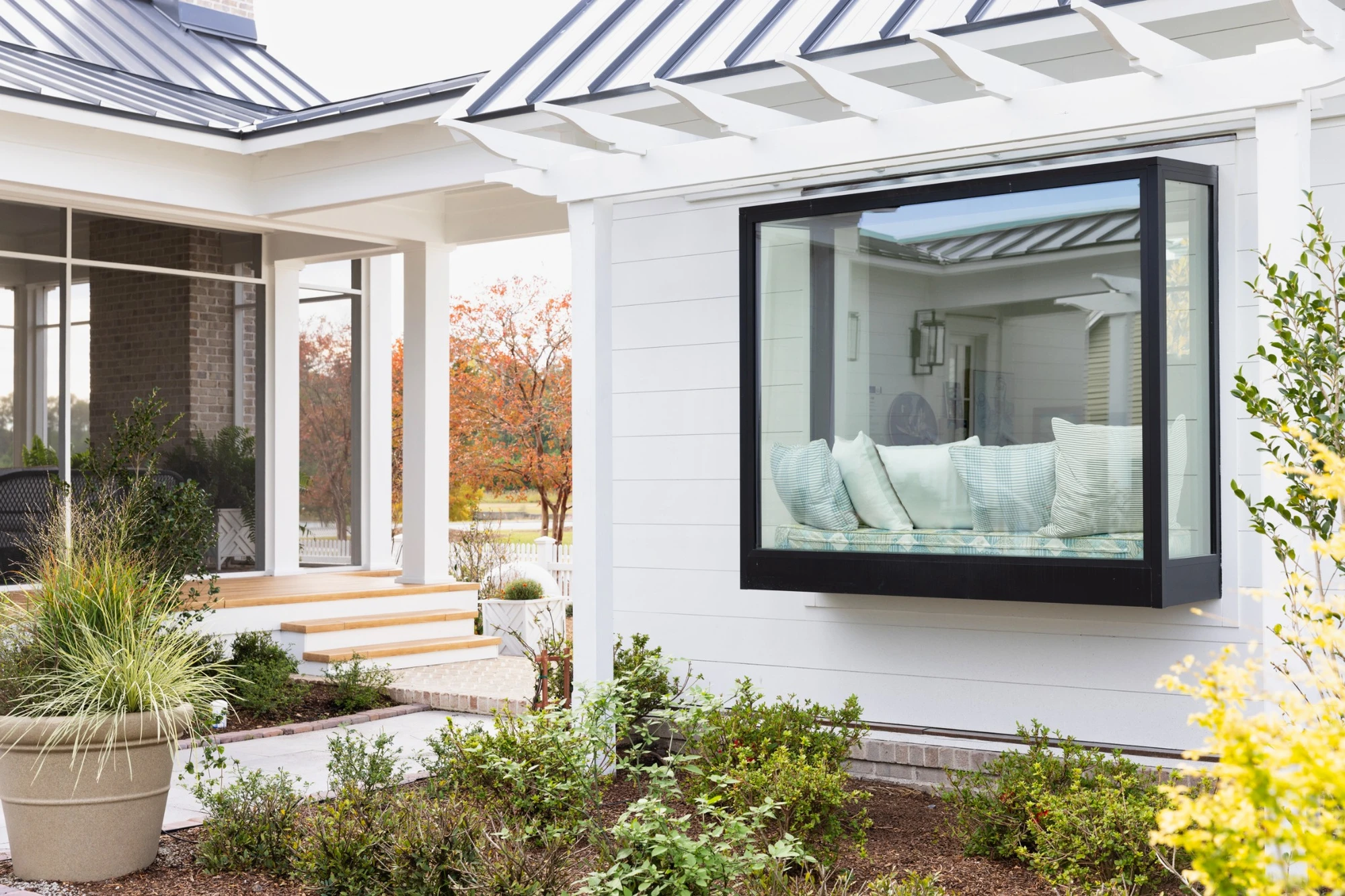
A common question homeowners ask is do low maintenance windows still need upkeep. The short answer is yes, but the level of effort is manageable and predictable.
Low maintenance windows reduce labor-intensive tasks like scraping paint or repairing rot. What remains is routine care: cleaning glass, checking seals, and keeping tracks clear.
How Often Should I Clean My Windows
How often you clean depends on location and environment. Most homeowners benefit from cleaning windows a few times a year, with more frequent attention if pollen, trees, or traffic are nearby. This keeps frames, tracks, and glass functioning properly without turning maintenance into a burden.
Easy-Clean Windows and Self-Cleaning Glass
Modern easy-clean windows are designed to make routine upkeep safer and more manageable. Many styles, such as double-hung windows, feature tilt-in sashes that allow the exterior glass to pivot inward, so homeowners can clean both sides of the window from inside the home, no ladders or exterior access required.
Self-cleaning glass takes this a step further by using a specialized exterior coating that reacts to sunlight to loosen dirt and organic buildup. When it rains, water spreads evenly across the glass and helps rinse that debris away. These features don’t eliminate cleaning entirely, but they can significantly reduce how often deep cleaning is needed, which is especially helpful for multi-story homes.
Are Low Maintenance Windows Worth It? Understanding Window Replacement vs Maintenance Cost
Many homeowners wonder if low maintenance windows are worth it when comparing upfront costs. Looking only at purchase price misses the bigger picture. Over time, reduced painting, fewer repairs, and improved performance can offset initial investment.
Evaluating window replacement vs maintenance cost means considering long-term savings. Lower upkeep, fewer service calls, and improved energy performance all factor into value. For homeowners planning to stay in their home, low maintenance windows often prove to be a cost-effective choice.
Best Low Maintenance Windows for Georgia’s Climate and the Southeast
Choosing the best low maintenance windows for Georgia climate requires understanding local conditions. Heat, humidity, and sun exposure place unique demands on window materials.
Heat, Humidity, and UV Exposure Considerations
High humidity can accelerate deterioration in poorly suited materials. Vinyl and fiberglass resist moisture-related damage, making them reliable choices for Southeastern homes. UV exposure also matters, as prolonged sunlight can affect finishes and seals.
Why Energy-Efficient Windows Matter in the South
Energy-efficient windows help manage indoor comfort by reducing heat transfer and protecting interiors from UV damage. In Georgia, these features support both comfort and performance, complementing the low maintenance benefits of modern window materials.
FAQs About Low Maintenance Windows
What Are the Most Low Maintenance Window Materials?
Vinyl, fiberglass, and aluminum consistently rise to the top for homeowners seeking minimal upkeep. Both materials resist moisture, don’t require frequent refinishing, and perform well in demanding climates, making them reliable long-term options for low maintenance window replacement.
Do Low Maintenance Windows Still Need Maintenance?
Yes. Low maintenance windows still require basic care such as periodic cleaning and inspections, but they eliminate many of the ongoing tasks associated with older window materials, like repainting or frequent repairs.
What Type of Window Lasts the Longest?
Longevity depends on material quality and installation. Fiberglass and aluminum often lead in lifespan, but high-quality vinyl windows also deliver long-term performance when properly installed.
How Often Should I Clean My Windows?
Most homeowners clean windows two to four times per year, adjusting based on environment and exposure. Regular light cleaning helps maintain appearance and performance.
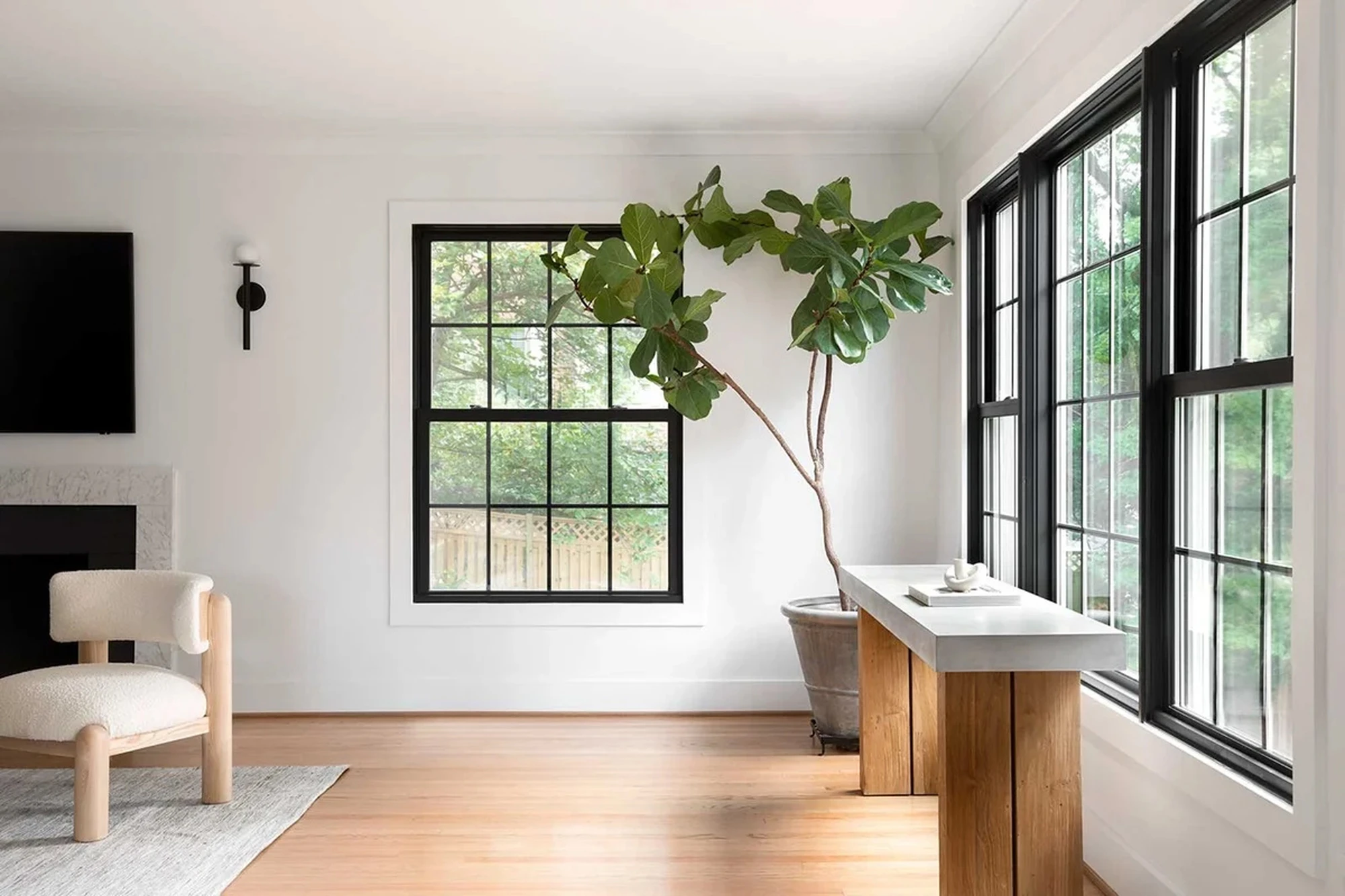
Upgrade Your Home With Low Maintenance Windows From Davis Window and Door
Choosing low maintenance windows becomes much easier with the right partner. Davis Window and Door helps homeowners navigate window replacement and door replacement with expert guidance, premium lines like Quaker, MI Windows, and Marvin windows, and skilled installation backed by strong warranties.
From design consultation to product and labor warranties, our team focuses on long-term performance and homeowner satisfaction. You can explore what homeowners like you are saying in our Reviews or browse more window inspiration and buyer guides on our Blog. When you’re ready to upgrade, trust Davis Window and Door to deliver windows that truly live up to the promise of low maintenance.