


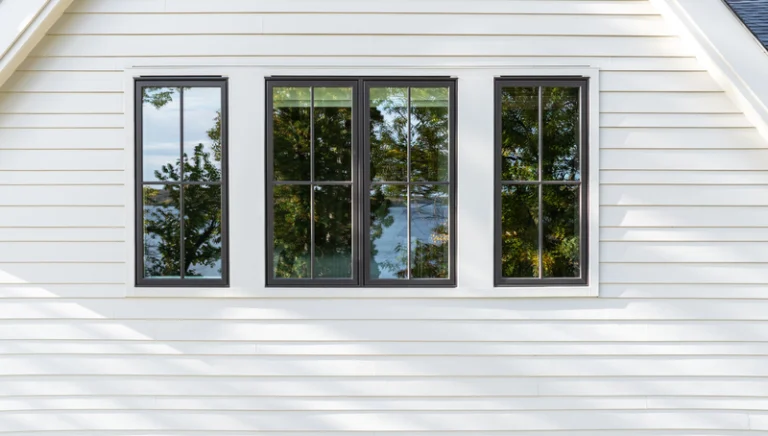
Most of the difference between fiberglass vs aluminum windows comes from how each frame handles heat. Fiberglass frames provide greater thermal resistance than metal and have less than a third of the thermal expansion of aluminum, and they last up to 50 years on average but cost more upfront. Aluminum is cheaper and allows slimmer frames, but it should have a thermal break to limit heat loss and condensation; it can reasonably be expected to last 15 to 20 years.
Davis Window and Door installs both, from Marvin fiberglass collections to Quaker aluminum lines, and helps Atlanta and Charlotte homeowners compare window materials side by side. Here’s how the two frames compare on energy use, durability, upkeep, style, and cost.
How Glass Size Settles the Fiberglass vs Aluminum Windows Choice
Glass size is where the two frames split. On standard openings, fiberglass is the stronger pick, since it insulates better and lasts for decades with little upkeep.
On homes built around very large glass, aluminum with a thermal break, an insulating strip inside the frame, takes over. The larger the opening, the more its thin frame matters.
The glass package and the installation matter for both frames. A well-installed aluminum window with good glass can outperform a poorly installed fiberglass one.
What Are Fiberglass and Aluminum Window Frames Made Of?
Fiberglass frames are made through pultrusion, a process that pulls glass fibers through resin and a heated die to form a rigid profile. Because the frame is mostly glass fiber, it expands and contracts at nearly the same rate as the glass it holds. According to ENERGY STAR, fiberglass frames provide good insulation, and some are filled with foam to slow heat flow even further.
Aluminum frames are extruded from a strong, light metal. On thermally broken lines, the break sits inside that extrusion, splitting the frame into an inner and an outer half.
Aluminum-clad windows are a separate category. The aluminum is only an outer skin over a wood frame, so the wood underneath does the insulating.
Which Frame Comes Out Ahead on Each Factor?
In a side-by-side look at aluminum vs fiberglass windows, fiberglass wins on insulation, lifespan, and humidity, while aluminum wins on frame width and glass size.
| Factor | Fiberglass | Aluminum |
|---|---|---|
| Insulation | Strong; the frame material resists heat flow | Lower; a thermal break roughly halves frame heat loss |
| Movement in heat | Expands at nearly the same rate as the glass | Expands more than the glass it holds |
| Typical lifespan | 30 to 50 years | Long-lasting; varies by line and finish |
| Humidity and salt air | Resists rot and corrosion | Can oxidize near salt air or constant moisture |
| Upkeep | Mild soap and water; Ultrex can be painted | Mild soap and water; tracks need lubrication; repainting not recommended |
| Frame width | Wider profile | Narrowest frames and largest glass |
| Installed cost | About $600 to $1,200 per window; premium lines like Marvin about $800 to $3,000 or more | Varies widely; architectural thermally broken lines are priced as premium products |
| Best fit | Most homes, from traditional to contemporary | Glass walls and very large openings (thermally broken lines) |
Does a Thermal Break Close the Energy Gap?
A thermal break narrows the gap, but it doesn’t close it. U-factor measures how much heat passes through a window or frame, and a lower number means better insulation. According to the National Fenestration Rating Council, a standard thermal break cuts an aluminum frame’s U-factor from roughly 2.0 to about 1.0.
Those are frame-only figures, but the frame makes up 10% to 30% of a window’s area, so a conductive frame still pulls the whole window’s rating up. Fiberglass needs no break because the material itself resists heat flow; with Low-E 3, complete fiberglass windows can reach a U-factor of about 0.20.
In Atlanta and Charlotte summers, blocking solar heat through the glass often matters more than frame insulation, so a Low-E coating is worth choosing on either frame.
Which Frame Lasts Longer in Atlanta and Charlotte Weather?
Fiberglass frames commonly last 30 to 50 years. The material resists rot and corrosion, and because it expands with the glass, its seals stay tight through hot, humid summers.
Aluminum doesn’t rot, but it can oxidize when it stays wet, especially near salt air or lawn sprinklers. Even so, Davis Window and Door’s window replacement guidance groups thermally broken aluminum with fiberglass and aluminum-clad frames as the materials that hold up best in Atlanta’s heat and humidity.
Which Frame Is Easier to Maintain?
Neither frame needs the sanding and refinishing that wood does, and fiberglass only needs mild soap and water. Aluminum cleans the same way, but abrasive cleaners can scratch its factory finish, which isn’t designed to be repainted. Its tracks also need occasional lubrication.
Fiberglass also leaves room for a color change down the road. Marvin’s Ultrex fiberglass can be sanded and painted if you want a new look, and Marvin notes the material is fully paintable without affecting its protective finish. Painting aluminum frames isn’t recommended, since the factory finish isn’t made to be repainted.
Which Frame Allows Slimmer Sightlines and Bigger Glass?
Aluminum’s strength allows very thin frames around very large panes; the Quaker CityLine picture window uses 1 5/8-inch sightlines, so the frame almost disappears.
Most fiberglass frames are wider, which suits traditional and transitional homes. Marvin Modern narrows that gap by pairing high-density fiberglass with aluminum for slim, contemporary sightlines.
Which Frame Costs Less Over Time?
Upfront cost depends on the line, while fiberglass tends to win on long-term value. Davis Window and Door’s cost guide puts most installed fiberglass windows at about $600 to $1,200 each, with premium selections like Marvin at about $800 to $3,000 or more. Architectural thermally broken aluminum is priced as a premium product.
A frame that lasts for decades can save you a replacement cycle, and better insulation can lower energy costs for as long as you own the home.
How Do Aluminum-Clad Windows Compare to Fiberglass?
Aluminum-clad windows pair a real wood interior with an aluminum exterior, while all-fiberglass windows like Marvin Essential give you an interior that needs less care. Marvin Ultimate is one clad example, with a solid wood interior you can stain or paint to match your trim, plus an extruded aluminum exterior offered in 19 finishes.
Most fiberglass vs aluminum-clad window decisions come down to that interior and the budget. The same cost guide puts aluminum-clad windows at about $1,000 to $2,000 per window installed, and Marvin Elevate offers a middle path, with a fiberglass exterior and a warm pine interior.
Which Window Material Is Better for Your Home?
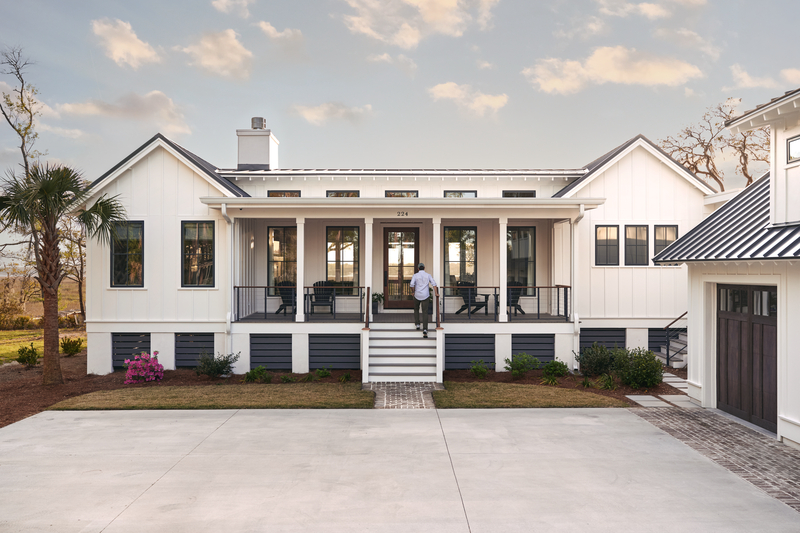
Fiberglass wins most use cases, while aluminum wins where slim frames and very large glass come first.
- Energy efficiency: Fiberglass wins, since the frame material itself resists heat flow.
- Constant moisture: Fiberglass again, because it resists rot and corrosion.
- Long-term value: Fiberglass resists rot, corrosion, and seal stress for decades.
- Traditional and transitional homes: The wider fiberglass profile suits these styles.
- Glass walls and very large openings: Thermally broken aluminum wins here, because its thin frames keep the view open.
- Contemporary homes with standard openings: Either can work, since Marvin Modern brings fiberglass close to aluminum's slim sightlines.
For homeowners weighing vinyl vs aluminum vs fiberglass windows, vinyl usually costs the least of the three. It insulates well, but it lacks the strength to match aluminum’s slim frames. It also expands more than fiberglass in Southern heat, which is one of the main trade-offs when comparing fiberglass vs vinyl windows.
Why Davis Window and Door Matches the Frame to Your Home
Davis Window and Door installs Marvin fiberglass and Quaker thermally broken aluminum, so recommendations follow the home rather than a single product line. During a 60- to 90-minute in-home consultation, a certified consultant measures each opening with LiDAR 3D scanning, and a written quote follows within 1 to 24 hours. Manufacturer-certified installers handle every job, and the labor warranty matches the product warranty.
Atlanta and Charlotte homeowners describe their own projects in Davis’s customer reviews.
Get Expert Guidance on Your Window Material
If you’re still deciding between the two, a certified Davis Window and Door consultant can compare both frames on your own windows, in your home, or at a showroom in Atlanta or Charlotte, with no pressure to decide on the spot.

FAQs About Fiberglass and Aluminum Windows
Do Aluminum Windows Get More Condensation Than Fiberglass?
Usually, yes, because aluminum carries outdoor cold to the inside of the frame, where room moisture condenses on it in winter. A thermal break reduces the problem, and fiberglass frames stay closer to room temperature.
Are Aluminum Windows Noisier Than Fiberglass?
Not necessarily, since the glass and the seals do most of the work against noise. Check the STC rating for voices and street noise and the OITC rating for low rumble from highways like I-75 and I-85 or from airport flight paths.
Are Fiberglass Windows Harder to Install Than Aluminum?
Neither frame is a DIY project, and professionals install fiberglass and aluminum with similar methods. Most window problems trace back to the installation, which is why a manufacturer-certified installer matters as much as the frame material.