
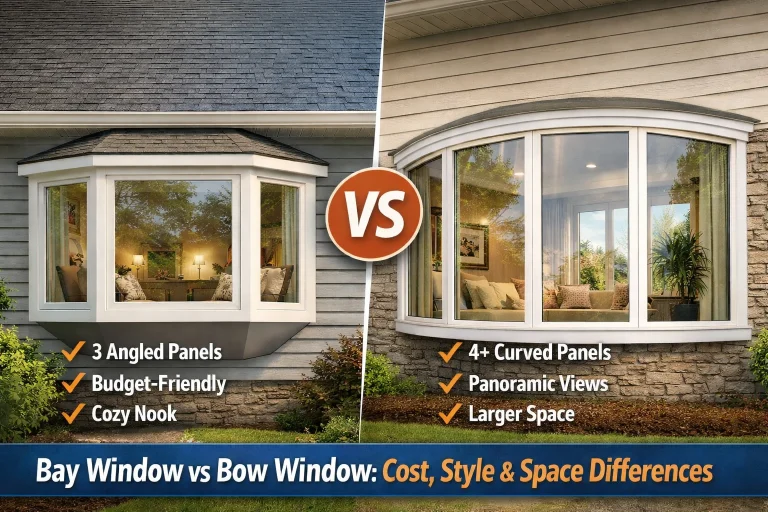
Looking into bay window vs bow window replacement options? Bay windows and bow windows are both projecting window styles, meaning they extend outward from your home’s exterior wall. Bay windows typically feature three panels arranged at sharp angles, while bow windows use four or more panels to create a gentle curved appearance.
Both window styles offer strong energy efficiency when properly installed and fitted with high-quality glass. They also add architectural interest and increase natural light, but the choice between them depends on your home’s design, available wall space, and personal preferences.
Understanding key differences helps homeowners make informed decisions. This is especially useful when deciding on window shapes in remodeling projects, enhancing both curb appeal and interior functionality.
Key Takeaways
- Bay windows use three panels at 30-90-degree angles, while bow windows feature four to six panels in a curved arrangement, and bay windows typically cost less.
- Space considerations matter; bay windows work better in smaller areas, while bow windows require more wall space but create more usable interior area.
- Architectural compatibility varies; bay windows suit traditional and contemporary homes, while bow windows complement Victorian and curved architectural elements.
What Are Bay Windows?
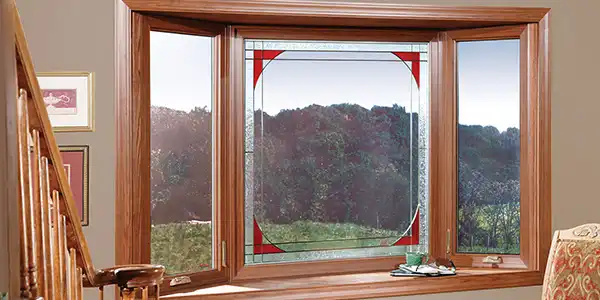
Bay windows, or angled windows, are typically made of three sections that project from the exterior wall of a home, creating a small space inside. They typically consist of three window panels arranged at specific angles. The center window is usually larger and fixed, while the two side windows are smaller and often operable for ventilation.
- The side windows typically project at 30, 45, or 90-degree angles from the center panel.
- Creating a distinctive angular appearance that adds both interior space and exterior dimension.
- This configuration creates a small alcove in your home, offering wider views and space for seating or decorative use.
What Is a Bow Window?
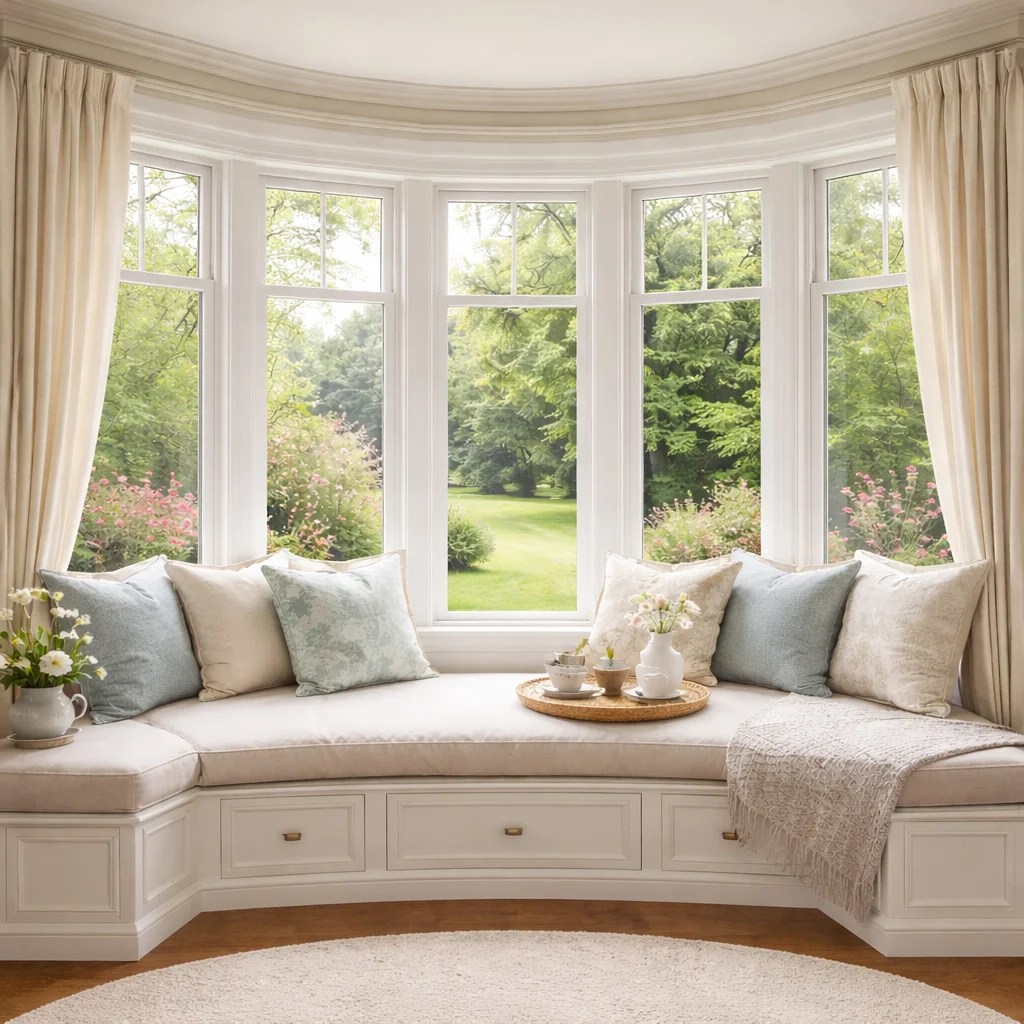
Rounded windows that create a gentle, sweeping curve are bow windows. A bow window consists of four, five, or six individual window panels arranged in a gentle curve that extends outward from the home. Unlike the angular arrangement of bay windows, bow windows create a smooth, curved design that follows a continuous arc.
- Curved window styles create a more subtle projection than a bay window but typically extend farther from the wall due to their gradual arc.
- This configuration provides an elegant, sophisticated appearance that complements both traditional and contemporary architectural styles.
- It also creates broader views and a more open interior feel.
What Is the Difference Between Bay and Bow Windows?
Different kinds of windows offer distinct benefits that better align with your needs. Here is a comparison to help you decide which one fits better for your home.
Feature |
Bay Window |
Bow Window |
| Number of Panels | 3 window panels | 4 or more window panels |
| Shape | Angular with defined corners | Smooth, curved (arched) design |
| Projection From Wall | Typically 18 – 36 inches | Typically 12 – 30 inches |
| Visual Style | Structured, bold appearance | Soft, elegant, panoramic look |
| Best Architectural Styles | Colonial, Craftsman, Contemporary | Victorian, Tudor, traditional homes |
| Interior Space Added | Creates a small nook or seating area | Creates a wider, more usable interior space |
| Natural Light | Good light from multiple angles | Maximum light due to wider curve |
| Views | Directional views from angled panels | Panoramic, wider outdoor views |
| Ventilation Options | Usually operable side windows | Multiple operable panels are possible |
| Installation Complexity | Easier installation | More complex installation |
| Typical Cost | More budget-friendly | Usually more expensive |
| Best For | Adding character without a major structural change | Creating a dramatic focal point and openness |
Bay vs Bow Window Pros and Cons
So, which is better bow or bay window? Both window styles offer practical and visual benefits for homeowners in Georgia and North Carolina. Understanding the benefits of window replacement with projecting styles helps justify the investment.
Pros and Cons of Bay Windows
- More Natural Light: Three angled panels capture sunlight from multiple directions, making rooms feel brighter throughout the day.
- Adds Functional Space: Creates an extra interior room ideal for window seats, reading nooks, or decorative displays.
- Expanded Outdoor Views: Angled design improves sightlines compared to flat windows.
- Boosts Curb Appeal: Adds dimension and architectural character to your home’s exterior.
- Improved Ventilation: Side windows often open, allowing better airflow.
- Cost-Effective Upgrade: Typically more affordable than bow windows while still adding visual impact.
- Increases Home Value: Considered a desirable feature for buyers and home renovations.
Cons of bay windows: Less panoramic, more focused view; provides less total natural light compared to a bow window.
Pros and Cons of Bow Windows
- Maximum Natural Light: Multiple panels allow sunlight to enter from a wider range of angles.
- Panoramic Views: Curved design creates a broad, uninterrupted outdoor view.
- Larger Interior Space: Deeper projection provides more usable square footage than most bay windows.
- Elegant Architectural Style: Soft curves add a high-end, classic appearance to homes.
- Creates a Focal Point: Often becomes a standout feature in living rooms or front façades.
- Flexible Ventilation Options: Several operable panels can improve airflow.
- Adds Property Value: Premium aesthetic appeal can enhance resale value and buyer interest.
Cons of bow windows: Higher costs, complex, heavy installation requiring specialized, expensive structural support.
Popular Home Styles for Bay and Bow Windows
Bay windows work especially well with Colonial and Georgian home styles, where structured angles enhance symmetrical façades. They also suit Craftsman bungalows by reinforcing cozy architectural details, complement contemporary homes with clean lines, and add vertical interest to low-profile ranch-style designs.
Bow windows pair best with architectural styles that feature curves and decorative elements. They enhance Victorian-style homes with their flowing shape, complement Tudor and English cottage designs with a romantic, traditional feel, and harmonize with Mediterranean architecture through soft arches and rounded forms.
How Much Does a Bow Window vs Bay Window Cost?
Bay windows are typically more affordable than bow windows because they use fewer panels and simpler construction, while bow windows cost more due to their curved design and larger size.
Average Material Costs
- Bay windows: $800–$2,500 per unit
- Bow windows: $1,200–$3,500 per unit
Installation Costs
- Bay window installation: $500–$1,500
- Bow window installation: $1,000–$2,000
Actual costs vary based on size, materials, structural modifications, and regional labor rates.

Where Should You Use a Bay or Bow Window?
Ideal Locations for Bay Windows:
- Kitchen areas: Breakfast nooks or herb gardens
- Living rooms: Provide focal points and extra seating areas
- Bedrooms: Cozy reading corners
- Dining rooms: Adds elegance and display space
Best Spots for Bow Windows:
- Master bedrooms: Creates romantic, spa-like atmospheres
- Family rooms: Maximizes panoramic views and architectural impact
- Front-facing rooms: Significantly enhances curb appeal
- Rooms with scenic views: Capture wider vistas of landscapes or water features
Bay windows work well in smaller spaces, while bow windows require adequate wall space to avoid overwhelming the area.
Bay and Bow Window Installation Considerations
Both bay and bow windows add weight to exterior walls, though bow windows often require additional structural support due to their larger size and deeper projection. In Georgia and North Carolina, permits are often required for installations that alter a home’s exterior profile.
Proper flashing, sealing, and drainage are essential to prevent water intrusion, underscoring the importance of experienced installation for long-term durability. Installation typically takes 1–2 days for bay windows and 2–3 days for bow windows, though structural modifications may extend timelines.

A Variety of Sizes Available
Standard Bay Window Sizes:
- Small: 3-4 feet wide, ideal for bathrooms or compact rooms
- Medium: 5-7 feet wide, perfect for kitchens and bedrooms
- Large: 8-10 feet wide, excellent for living rooms
Bow Window Configurations:
- 4-panel: Most economical option for moderate-sized rooms
- 5-panel: Popular choice balancing cost and visual impact
- 6-panel: Maximum curve and elegance for larger spaces
Upgrade Your Home With Professional Window Replacement Services
Choosing between a bay window and a bow window is easier with expert guidance for window replacement. Davis Window and Door helps homeowners across Georgia and North Carolina select, customize, and professionally install windows built for lasting performance and style.
Ready to discover quality solutions that match your specific needs and architectural style?